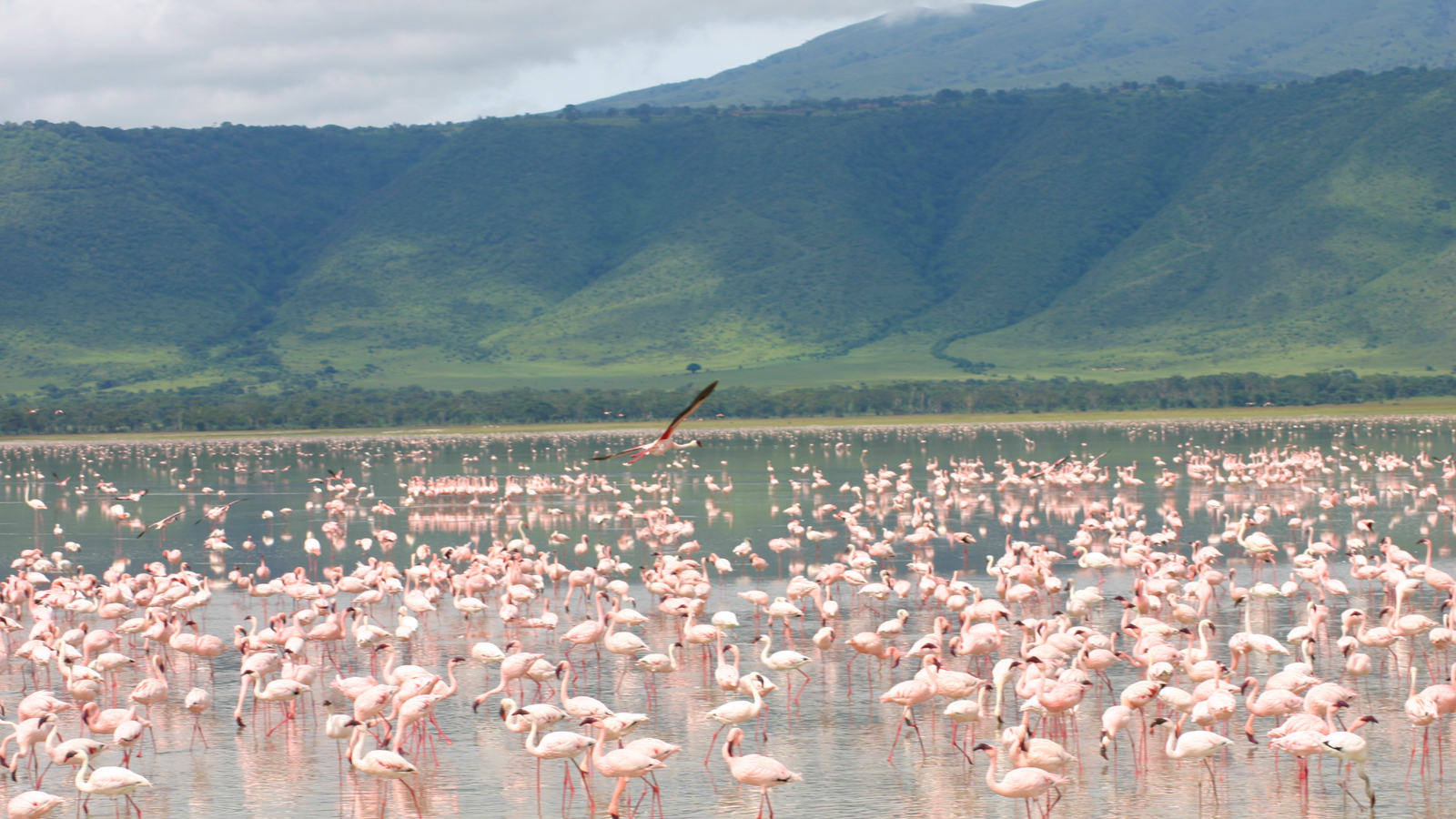
Lake Magadi
A central, highly alkaline soda lake that shifts dramatically with rainfall. It serves as an immense feeding ground for thousands of lesser flamingos, drawing golden jackals and hyenas along its white crust boundaries.
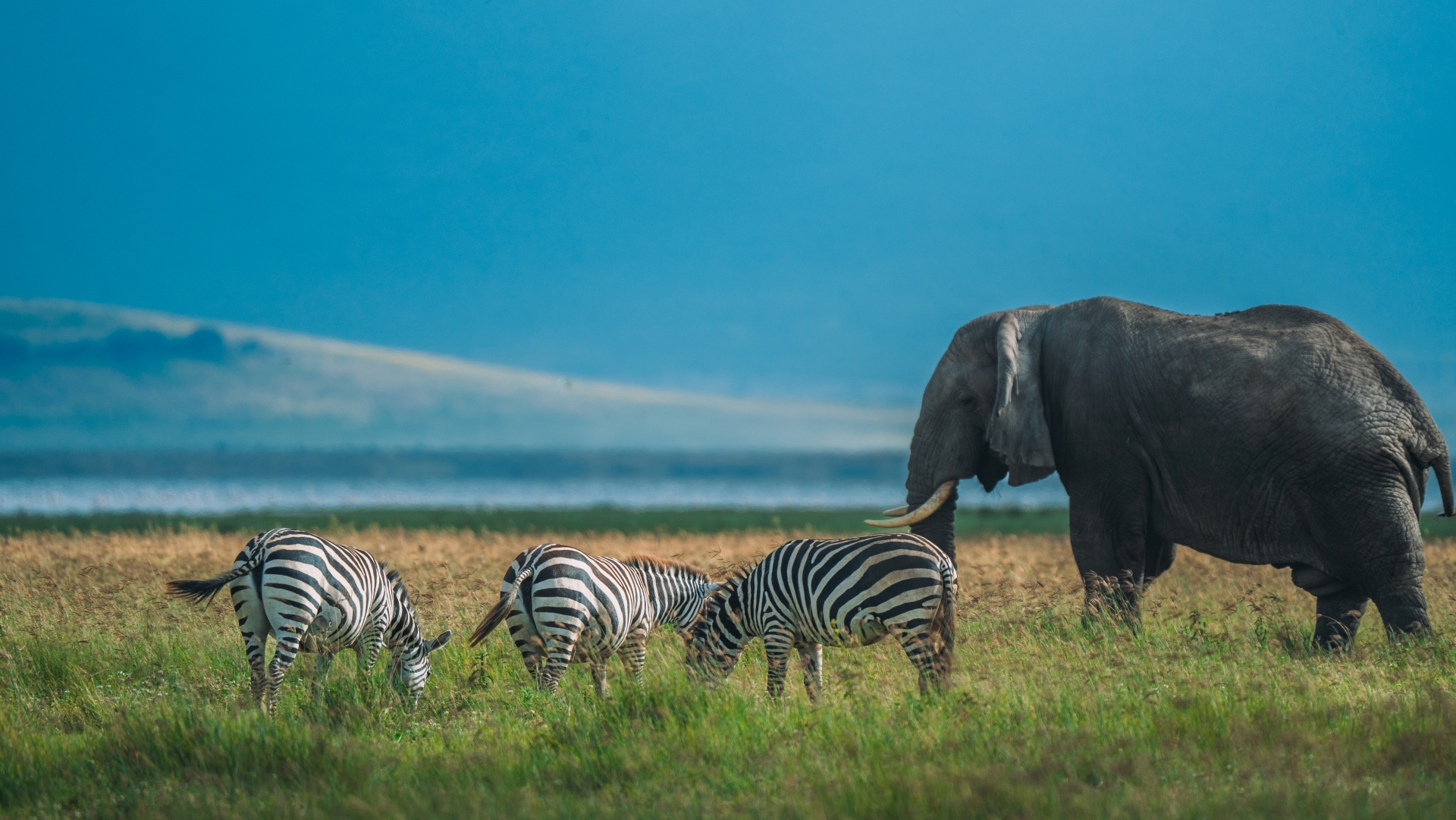
A completely self-contained volcanic caldera sheltering over 25,000 large mammals. Descend 600 meters down the shelf into the ultimate theater for high-probability Big Five tracking.
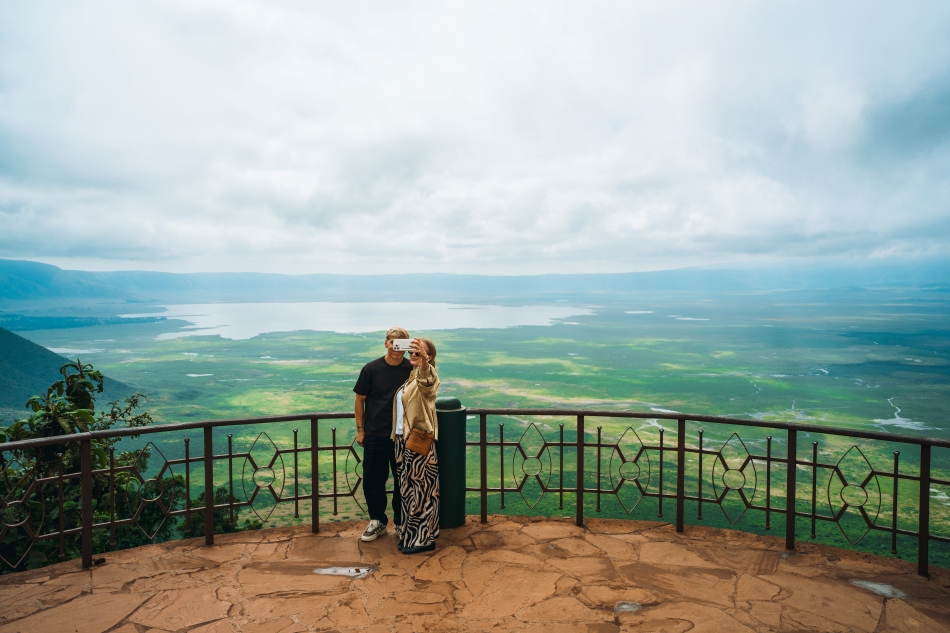
Formed nearly three million years ago when a colossal volcano collapsed on itself, the Ngorongoro Crater stands today as the world's largest un-flooded, intact caldera. Its massive 600-meter vertical walls form a natural perimeter fence, safeguarding a highly dynamic cross-section of African wildlife on the grasslands below.
For our guests at Z&K Tanzania Safaris, the crater is typically integrated as a critical link within the classic Northern Circuit loop. Because the water supplies are permanent, the game does not leave. Prides of black-maned lions, massive tusker elephants, and critically endangered black rhinos remain on the caldera floor all year long.
Whether you choose a dedicated day trip starting directly out of Arusha or weave it into an extended multi-day canvas migration tracking route, the descent down the cloud-ringed track into the early morning mist is an experience that cannot be duplicated anywhere else on earth.
The crater floor is a diverse tapestry of saline lakes, swamp plains, and acacia forests, each anchoring its own specialized wildlife groups.
A central, highly alkaline soda lake that shifts dramatically with rainfall. It serves as an immense feeding ground for thousands of lesser flamingos, drawing golden jackals and hyenas along its white crust boundaries.
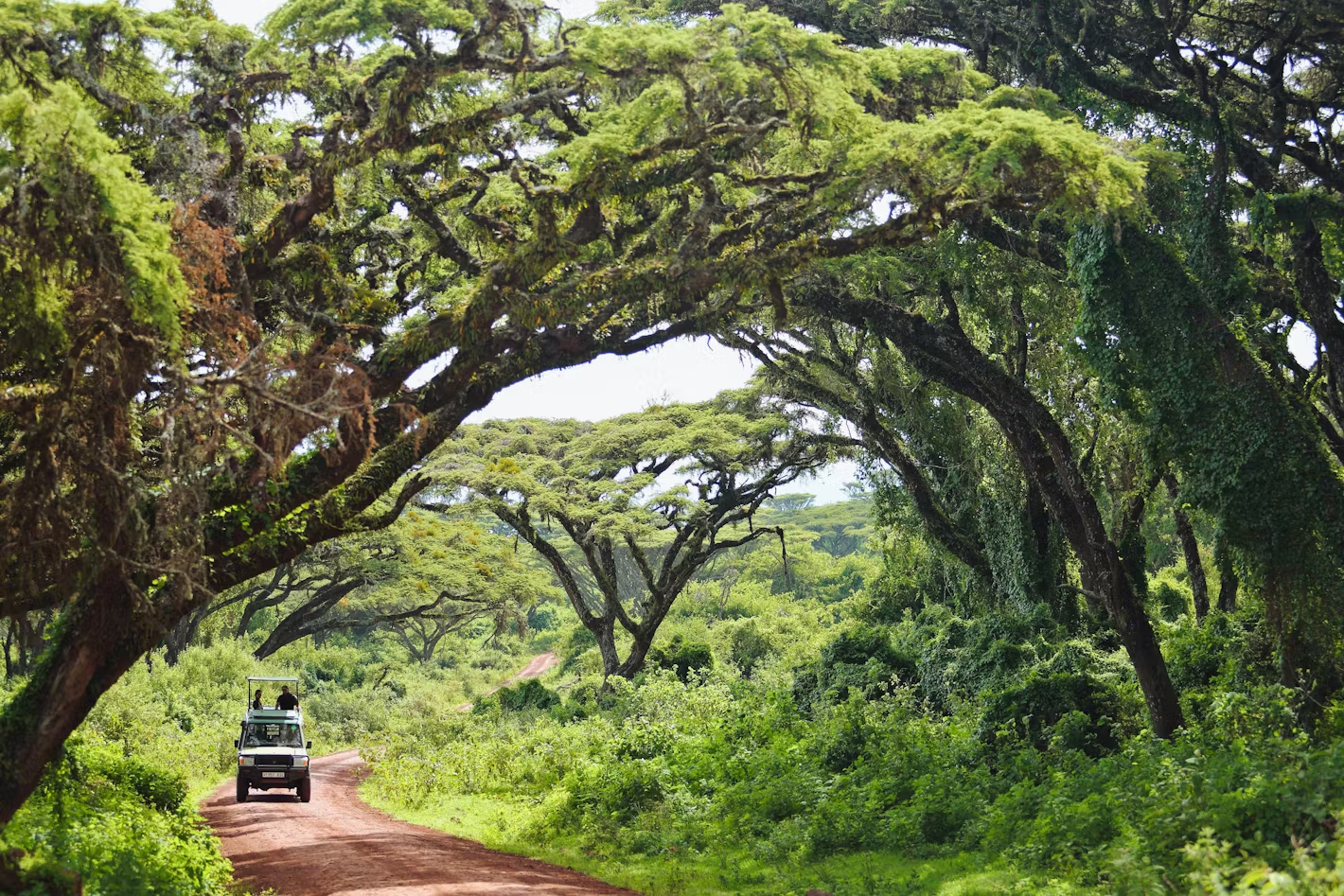
A classic yellow-fever acacia woodland dominating the south-western floor. This dense canopy layer is the primary sanctuary for the crater’s reclusive leopards and majestic, old elephant bulls carrying immense tusks.
A pristine freshwater swamp fed by mountain streams cascading down the eastern wall. Home to active hippo pods, it serves as our signature safari picnic point where you can observe wildlife while dining safely.
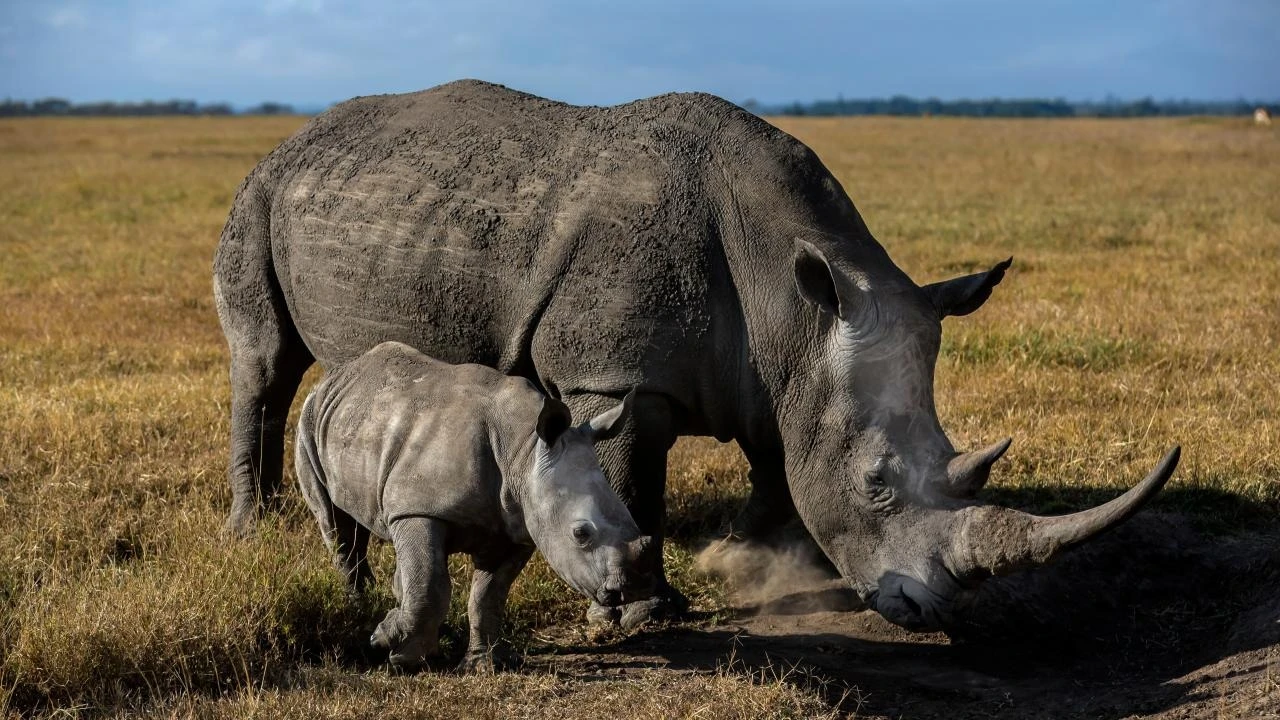
While black rhinos face continuous pressure across the continent, the self-enclosed topography of the Ngorongoro Crater provides a highly secure, natural fortress. A resident population of these prehistoric browsers wanders the short-grass plains and thickets of the caldera floor.
Because our Z&K safari vehicles maintain close operational proximity with rangers on the ground, we prioritize finding these elusive creatures during the early morning hours, when they step out of the shadows of the Lerai forest to graze along the open flats.
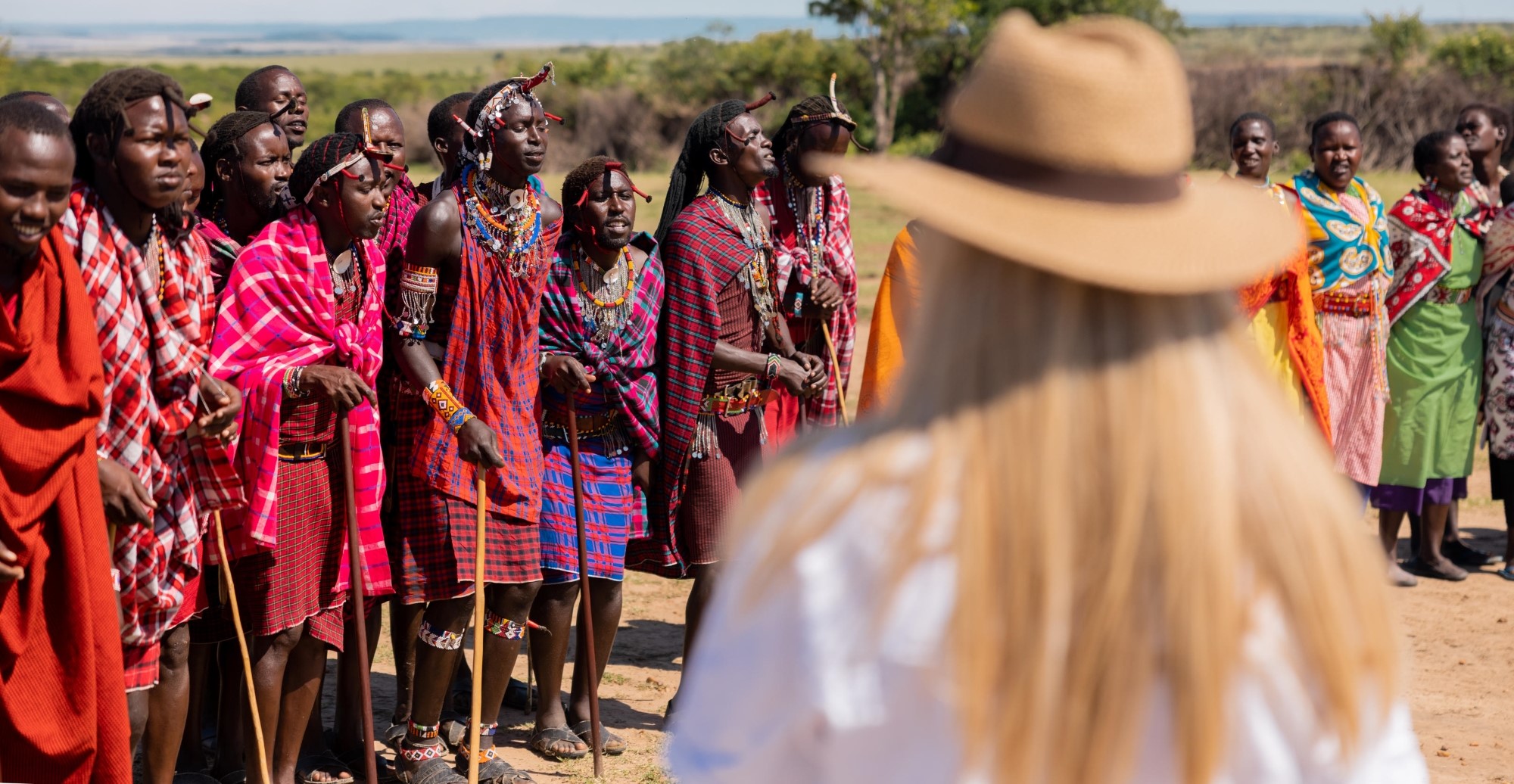
The Ngorongoro Conservation Area is uniquely designated as a multiple land-use zone, allowing the pastoralist Maasai people to share the broader ecosystem with wild animals. While cultivation is prohibited, you will see Maasai warriors guiding their cattle down the outer highland slopes to water sources.
We build structured, dignified visits to traditional Maasai bomas located along the outer crater rim shelf. This gives our guests a firsthand view of traditional earth-and-thatch architectures, rhythmic vocal jumping tracks, and native beadwork methodologies.
While game viewing remains spectacular year-round, seasonal precipitation alters clarity, backdrop contrast, and traffic densities.
Vegetation thins and water holes recede, forcing animals into high-density pockets around remaining spring lines. Golden, classic savanna vistas. Highest traffic volume.
Brief afternoon showers return, settling dust lines and clearing cloud frames. The landscape transitions rapidly to vivid green. Excellent timing for birding groups.
The migration settles along the immediate southern plains of Ndutu. High wildlife movement between crater flats and outer valley basins. High predator action.
Main rainy window. Heavy storms populate afternoon hours. The caldera floor becomes completely empty of crowds, providing an incredibly intimate wildlife atmosphere.
All private configurations include customized 4x4 land cruisers, experienced local trackers, gate permits, and crater descent vehicle levies.
1 Day
Day Excursion
Arusha → Caldera Basin Floor → Arusha Drop-off
The ultimate express wildlife loop. Depart Arusha at first light for a full afternoon descent tracking rhinos, lions, and hippos before returning by evening.
 2 Days
Express Circuit
2 Days
Express Circuit
Tarangire NP → Karatu (Marera Valley) → Crater Floor
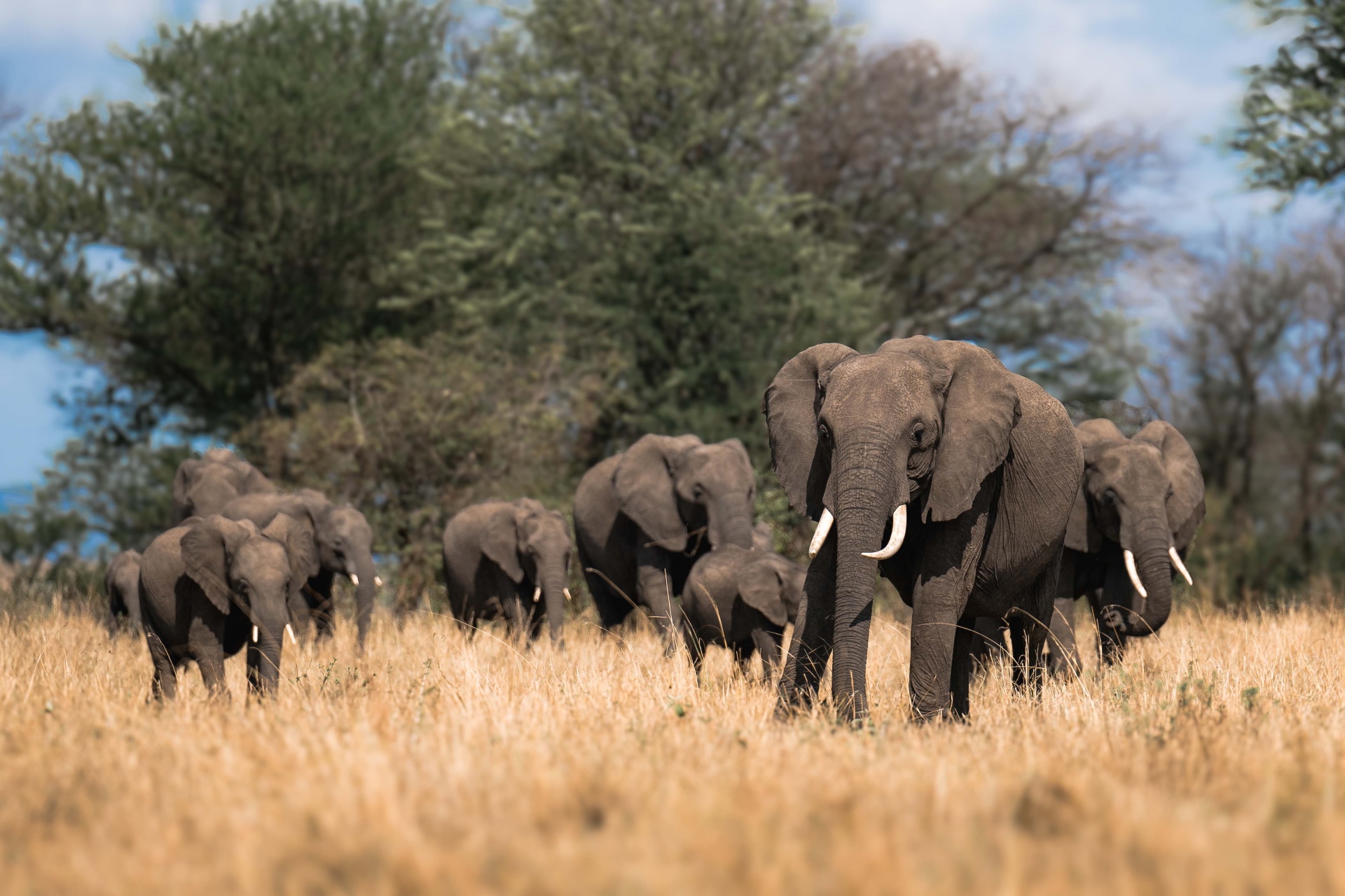
Maximize your weekend block. Combine the colossal elephant paths of Tarangire with a morning crater tracking run and a traditional Maasai boma stop.
 6 Days
Signature Tracker
6 Days
Signature Tracker
Tarangire → Ngorongoro Rim Lodge → Serengeti (3 Nights)
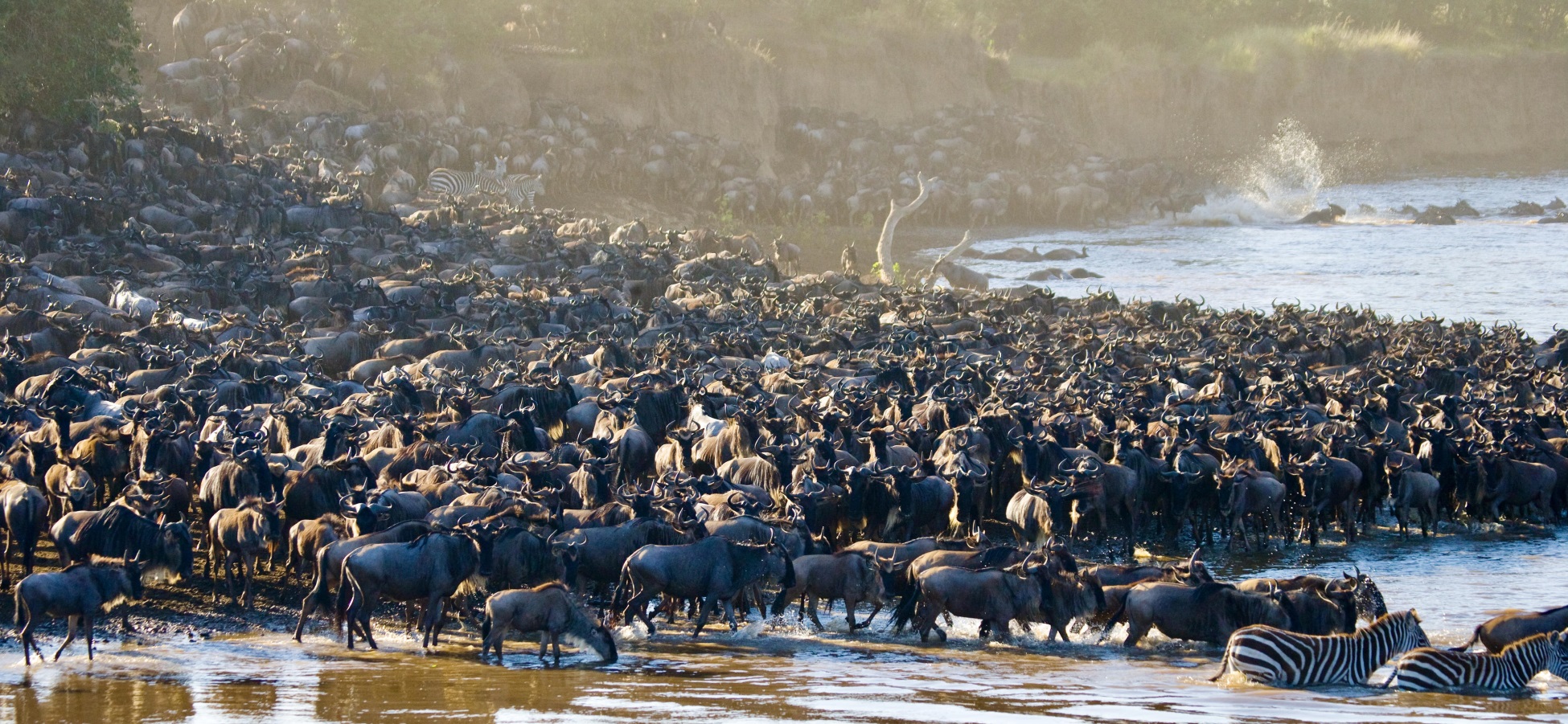
Our flagship wilderness program. Track the massive migration columns across the Serengeti plains before exploring the dense predator concentrations inside the crater basin.
Keep these base park rules and environmental criteria clear before finalizing your arrival schedules.
Honest logistical evaluations from our Arusha destination team.
To mitigate environmental pressure and vehicle congestion on the fragile caldera floor, the Ngorongoro Conservation Area Authority (NCAA) enforces a strict 6-hour limit per vehicle entry. Our Z&K guides optimize this block precisely—timing descent to maximize predator activity intervals.
No. Lodging on the actual floor of the crater is completely prohibited to protect wildlife habitat. All accommodations are positioned either high up on the outer volcanic rim shelf (like Ngorongoro Rim Lodge) or in the surrounding Karatu valley basin below.
While the crater offers the highest statistical probability of spotting black rhinos in East Africa, wild tracking means nothing is completely guaranteed. Because our guides are interconnected via VHF radios and coordinate tracking continuously, our sighting percentages remain exceptionally high.
Due to the high elevation (approximately 2,200 meters above sea level), the crater rim experiences a crisp montane climate. Early mornings can be damp and drop as low as 6°C (43°F), meaning fleeces and layered jackets are highly necessary before descending down onto the warmer valley basin floor.