Half-Day
Spice Plantation Tour
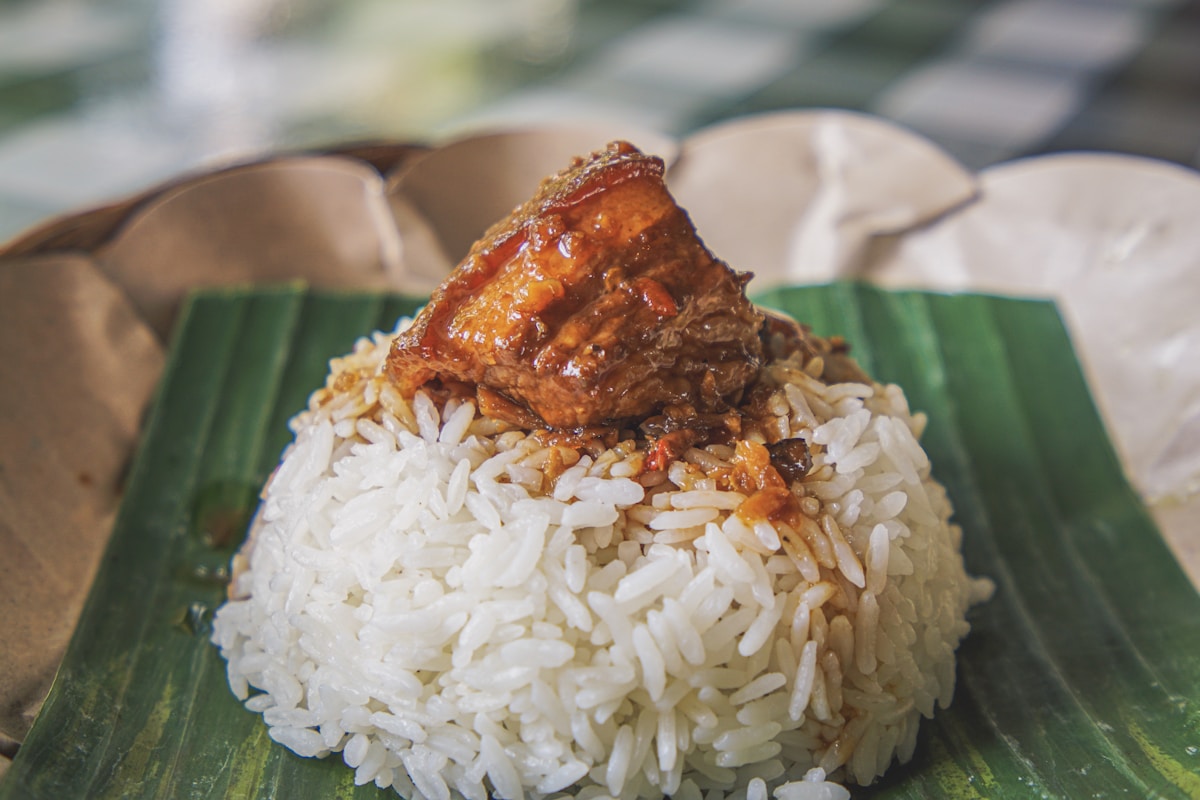
Walk through the plantations at Kidichi or Kizimbani — smelling cloves, cinnamon, nutmeg, vanilla, cardamom as your guide points them out on the trees. Tasting at the end.
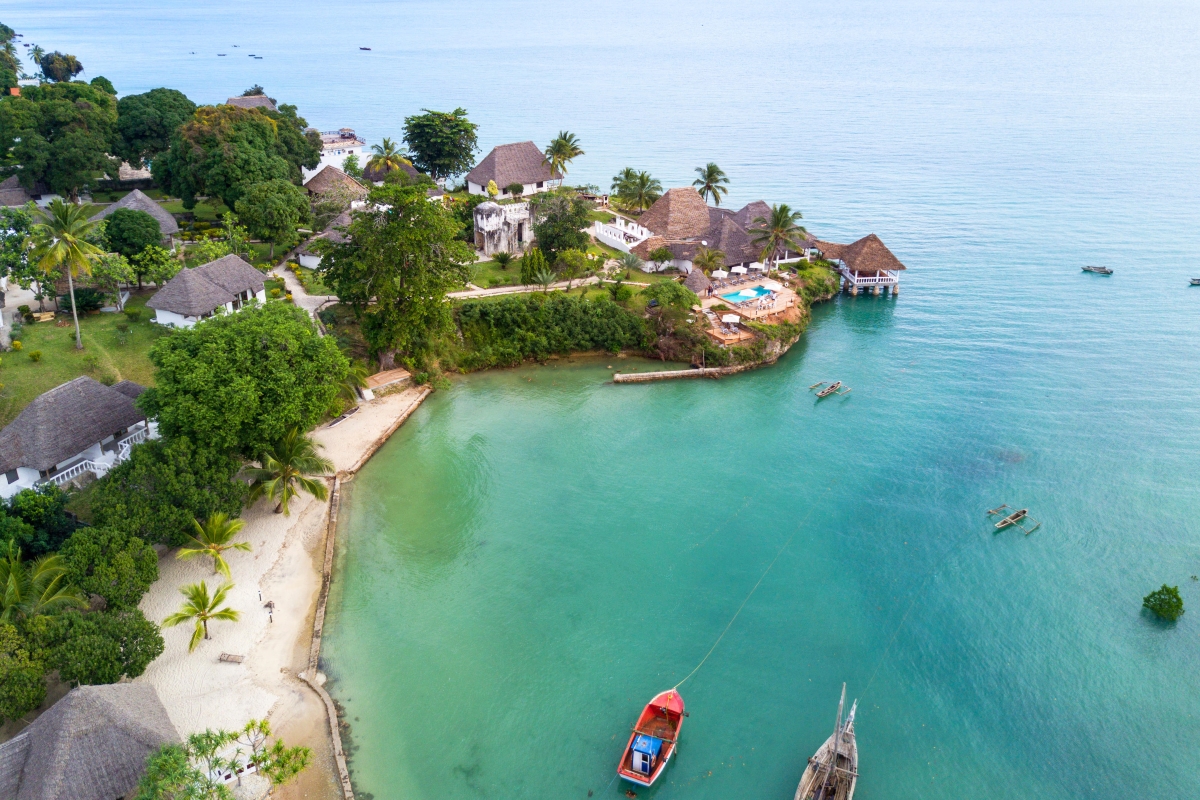
White sand, turquoise tide, Swahili stone streets that have stood a thousand years, and the dhow sails still silhouetted against every sunset. The classic bush-to-beach finish — and a destination in its own right.
Zanzibar was Swahili before it was anything else — a trading post on the Indian Ocean monsoon routes, shaped over centuries by Arab, Persian, Indian, and European merchants. Today, the old town still smells of cloves and sea salt, the dhows still set sail at dawn, and the beaches at Nungwi, Kendwa, Paje and Matemwe still belong, most mornings, to the fishermen and their nets.
For our guests, Zanzibar is almost always the exhale — three to seven nights of soft time after the intensity of a Serengeti journey. A short flight from the safari parks, a different world entirely on landing.
This page is our operator's full guide to the island: the regions, the hotels we trust, the experiences worth making time for, and every one of our Zanzibar-linked packages — from a 3-day Nyerere fly-in add-on to the full 12-day bush-and-beach signature journey.
Zanzibar is not one beach. It's a collection of very different shores — each with its own rhythm, tide patterns, and pace.
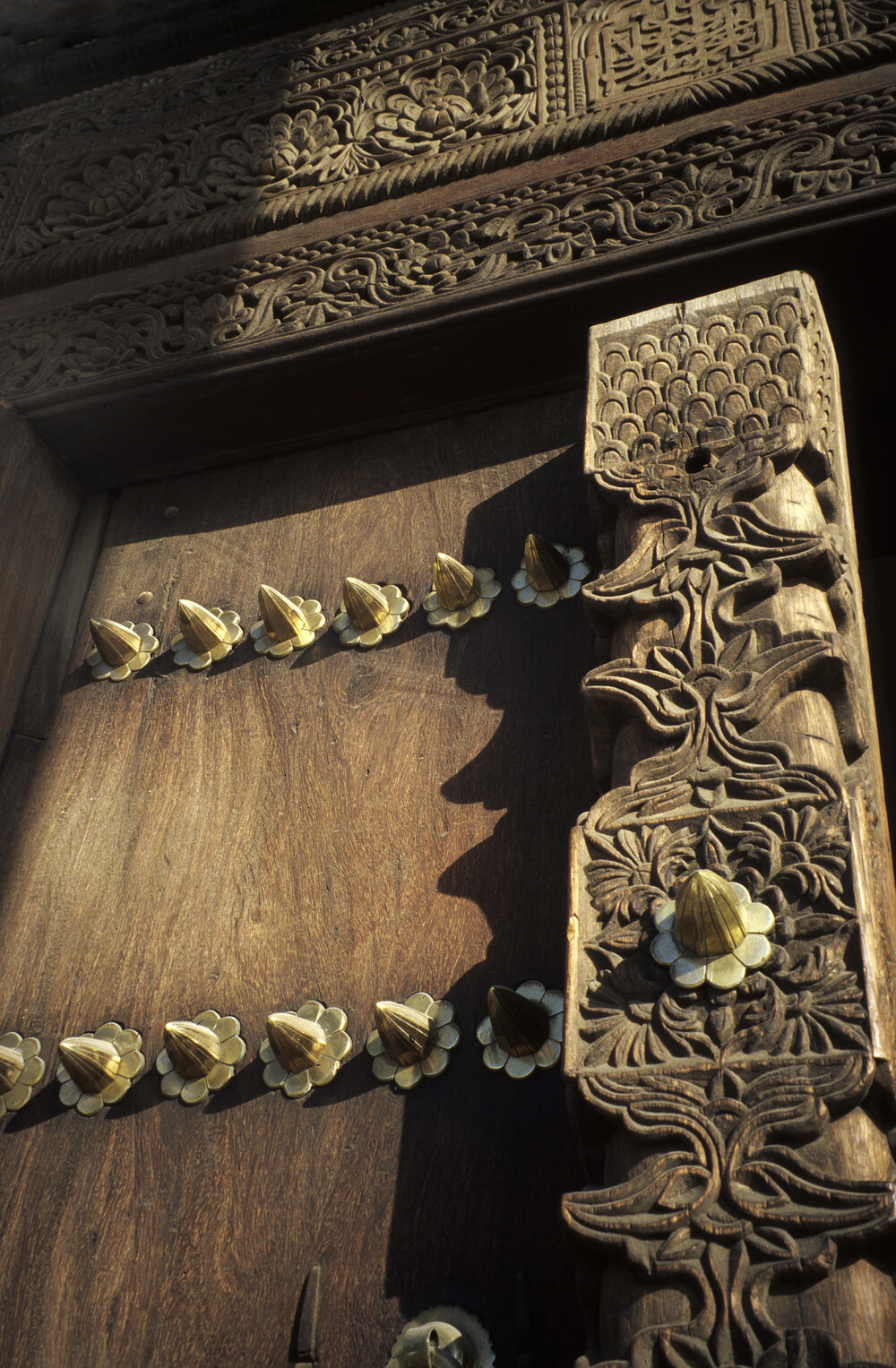
The historic Swahili capital. Labyrinthine alleys, carved wooden doors, spice markets, and a sunset over the Indian Ocean.
Discover Stone Town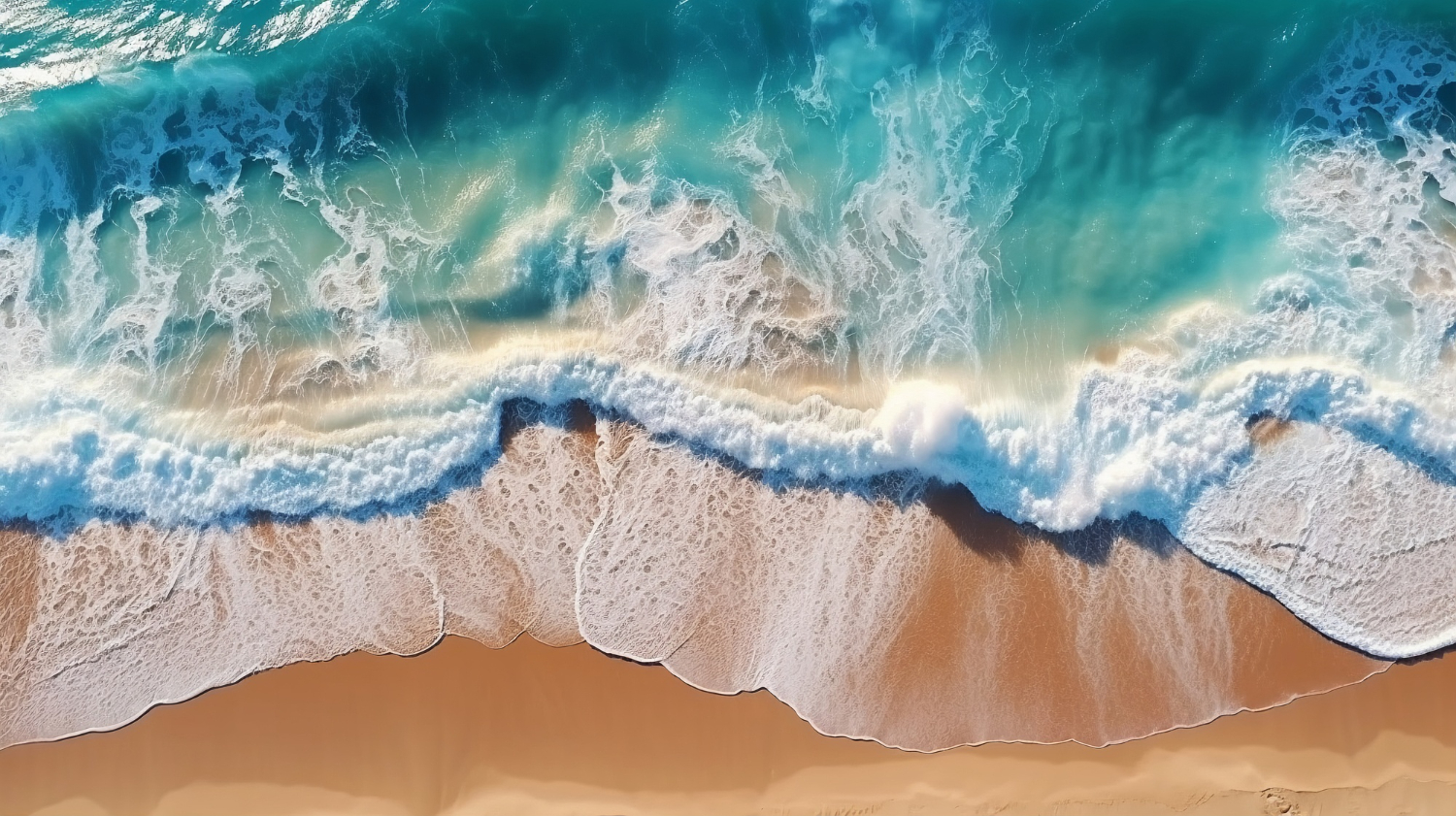
Swimmable at all tides, vibrant sunsets.
Explore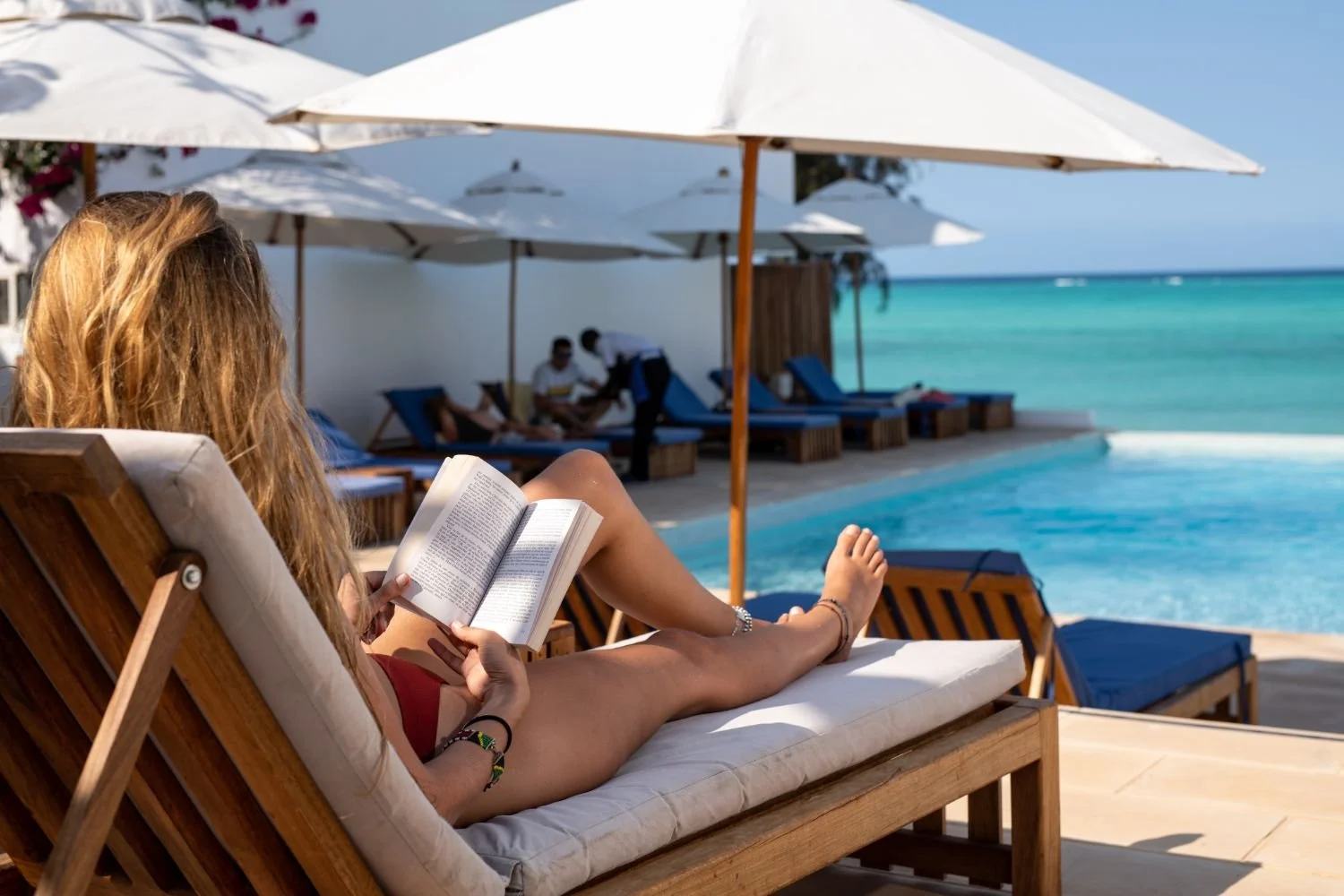
Softer, quieter sister to Nungwi.
Explore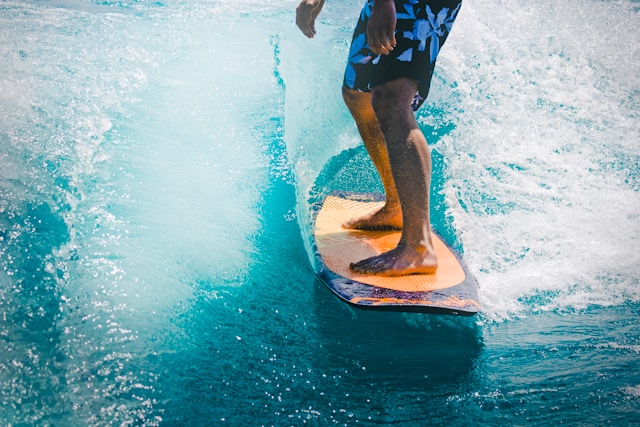
Wide tidal beaches, kitesurfing, resorts.
Explore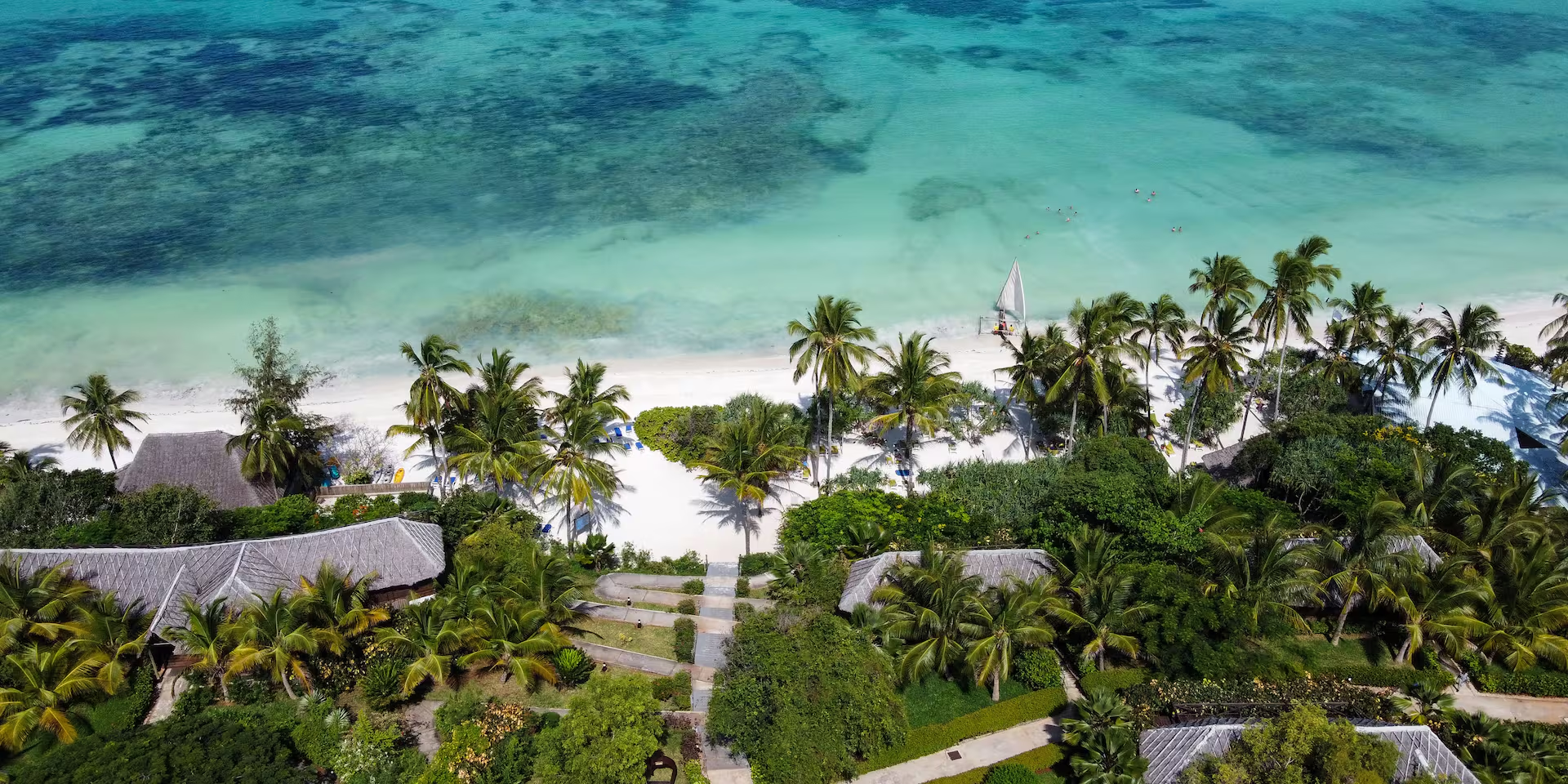
Gateway to Mnemba Atoll — dive central.
Explore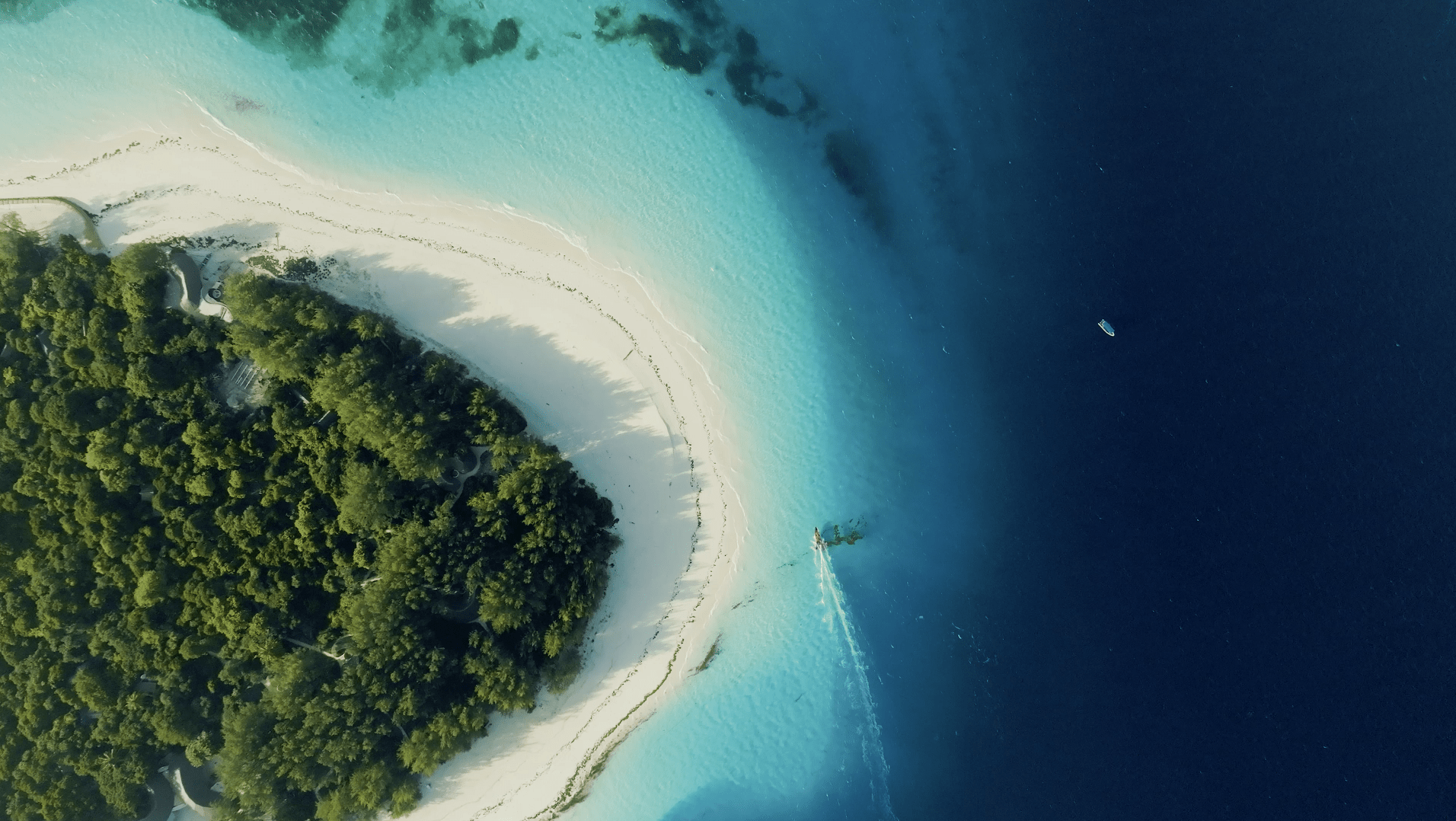
The private island — barefoot luxury, coral reef diving, green turtle nesting grounds, and some of the Indian Ocean's finest snorkelling.
Discover Mnemba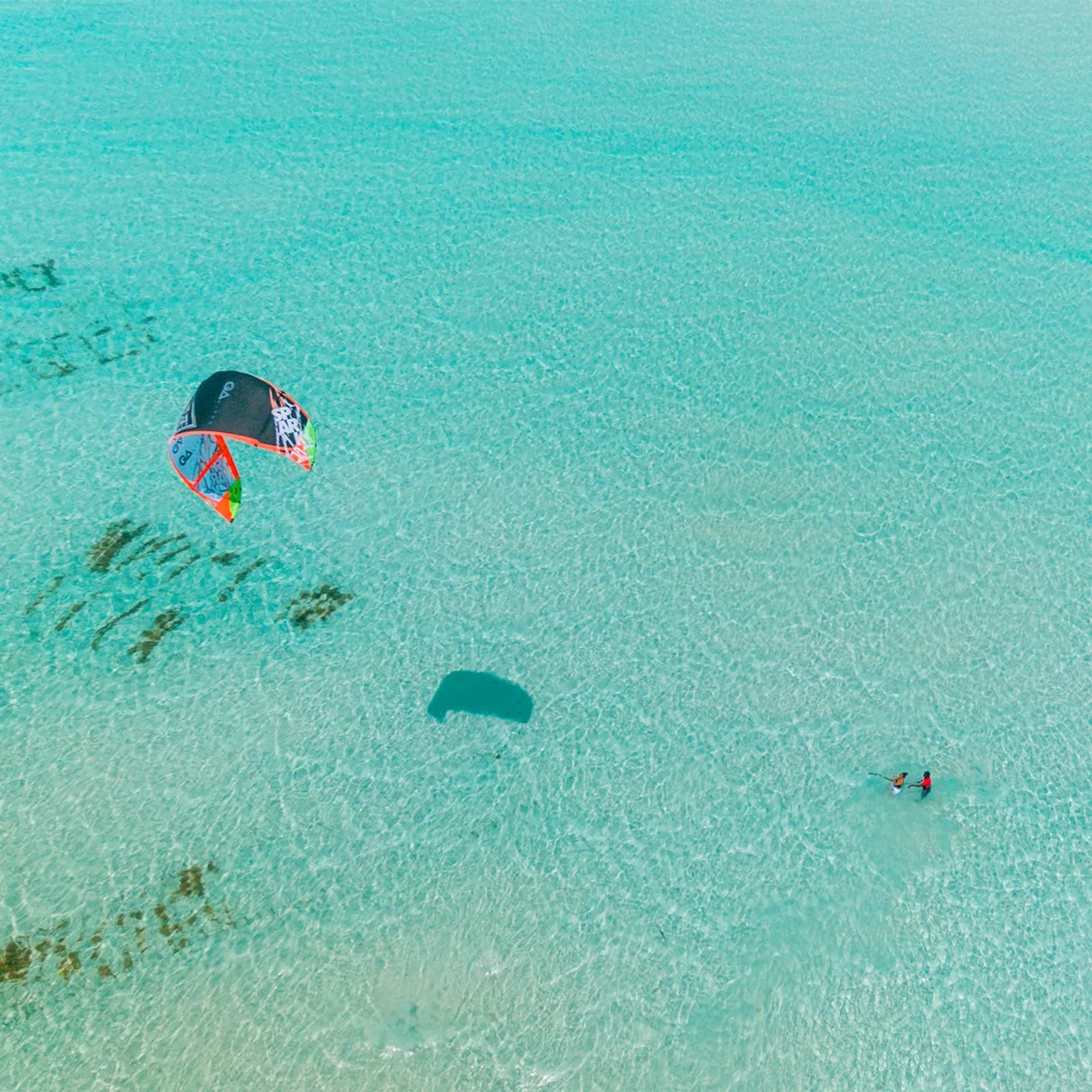
Stone Town is the beating heart of Zanzibar — a UNESCO World Heritage Site where Swahili, Arab, Persian, Indian, and European influences have been layered on top of each other for a millennium. Narrow stone alleys, ornate wooden doors studded with brass, fruit-sellers in open courtyards, and the call to prayer echoing from minarets five times a day.
Spend a full day here — walk the old quarter with a Swahili historian, visit the Former Slave Market memorial, buy spices at Darajani Market, and watch the sun drop from a rooftop restaurant with a glass of cold Kilimanjaro lager. It is the island's cultural anchor.
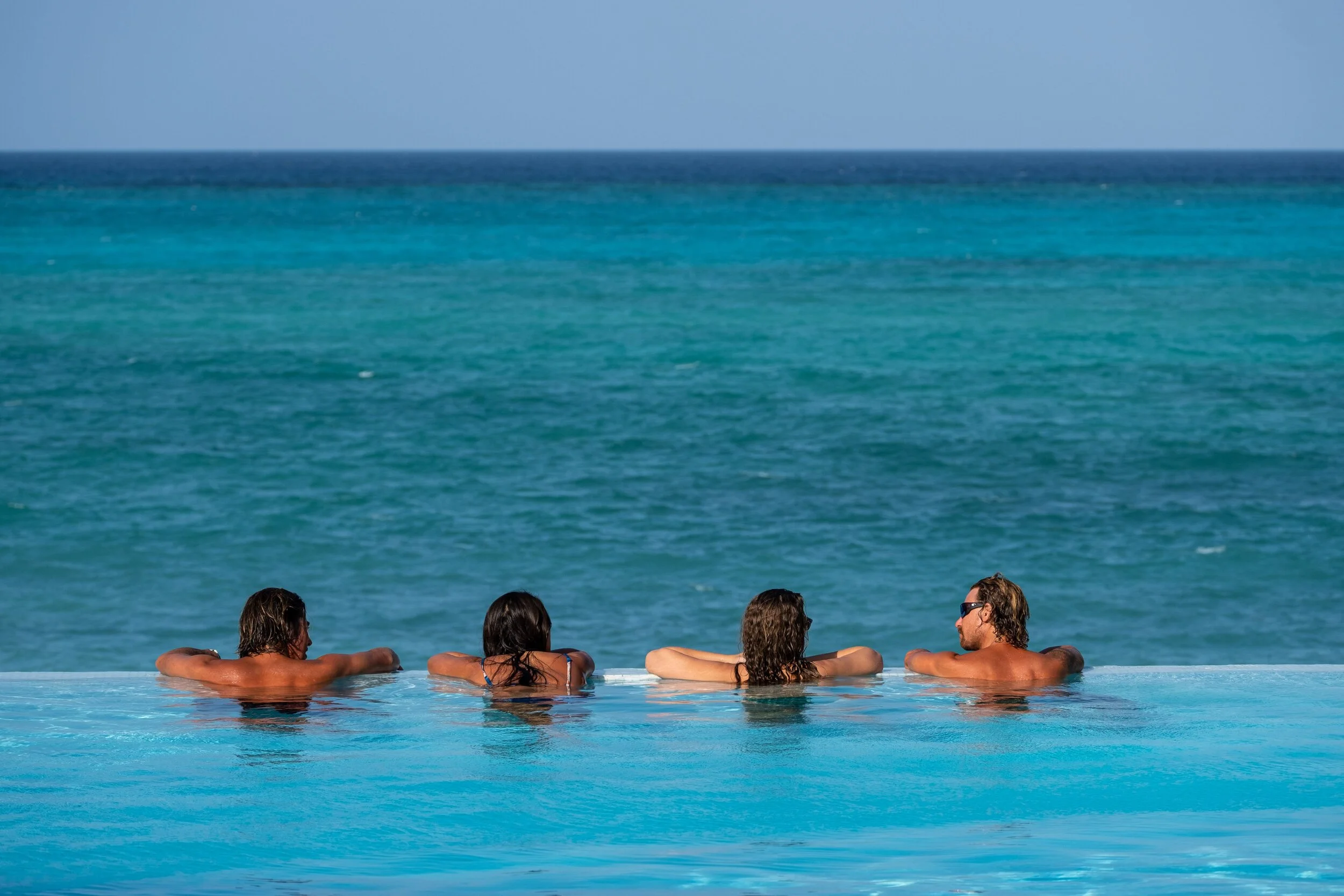
The north tip of Zanzibar is where the tide behaves. Unlike the east coast — where the sea retreats kilometres at low tide — Nungwi and Kendwa hold their water all day. Swim in the morning, swim at sunset, and everything in between.
Nungwi is busier and more social, with reef-edge swimming, lively beach bars, dhow trips, and turtle aquariums. Kendwa, just three kilometres south, is softer and quieter — still with beach clubs but with more space. This coast is where most first-time Zanzibar travellers stay.
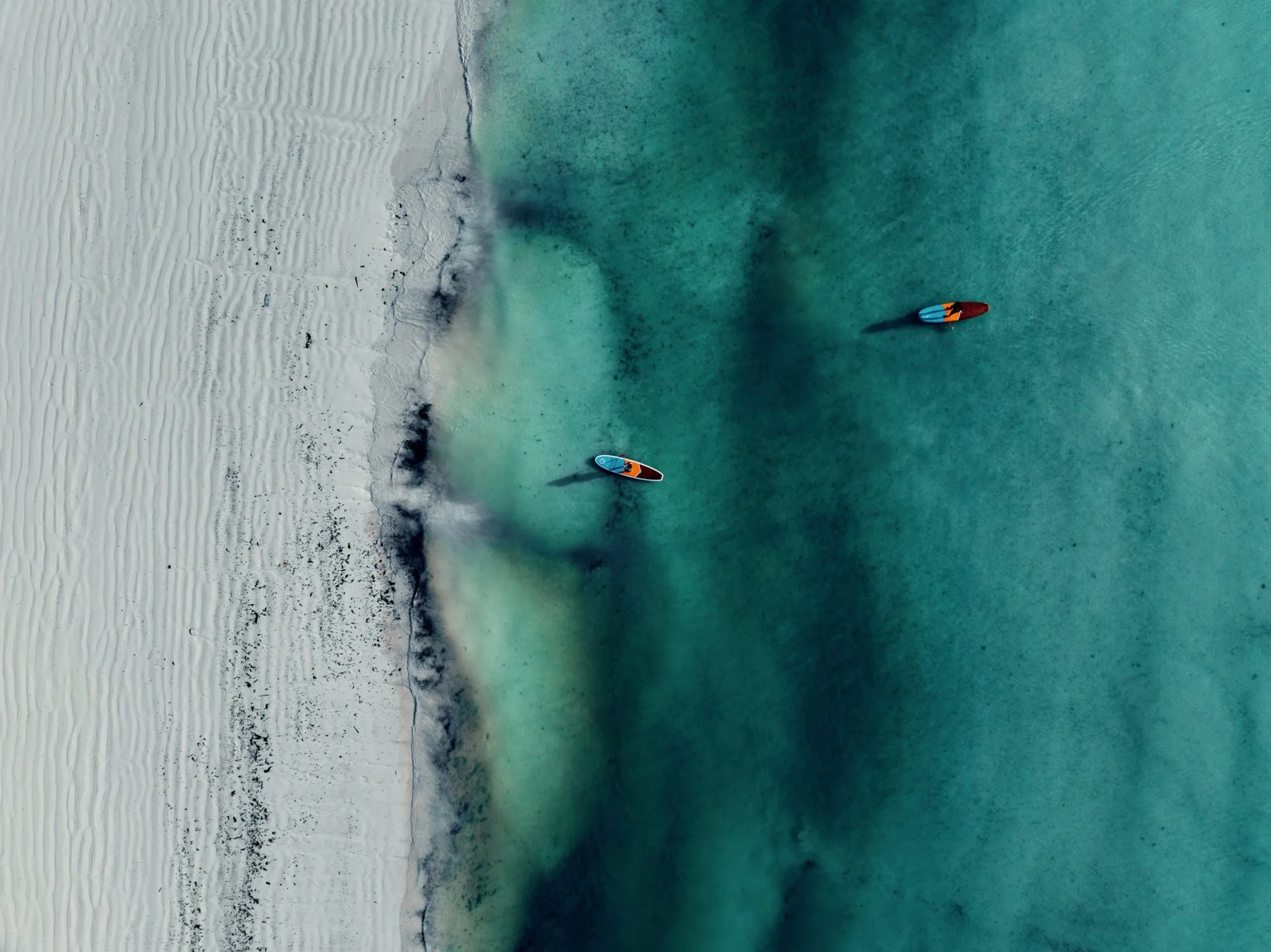
The east coast is Zanzibar at its most timeless — long, wide stretches of bright white sand, tidal reefs that reveal starfish and sea urchins at low water, and fishing villages that have worked the same rhythm for generations. You'll see women collecting seaweed, children playing football on the flats, and fishermen bringing in the morning catch.
This is where the luxury beach hotels sit. Paje is the kite-surfing capital of East Africa, with reliable winds June–September and December–February. Jambiani is sleepier, more cultural, and closer to the reality of village Zanzibar.
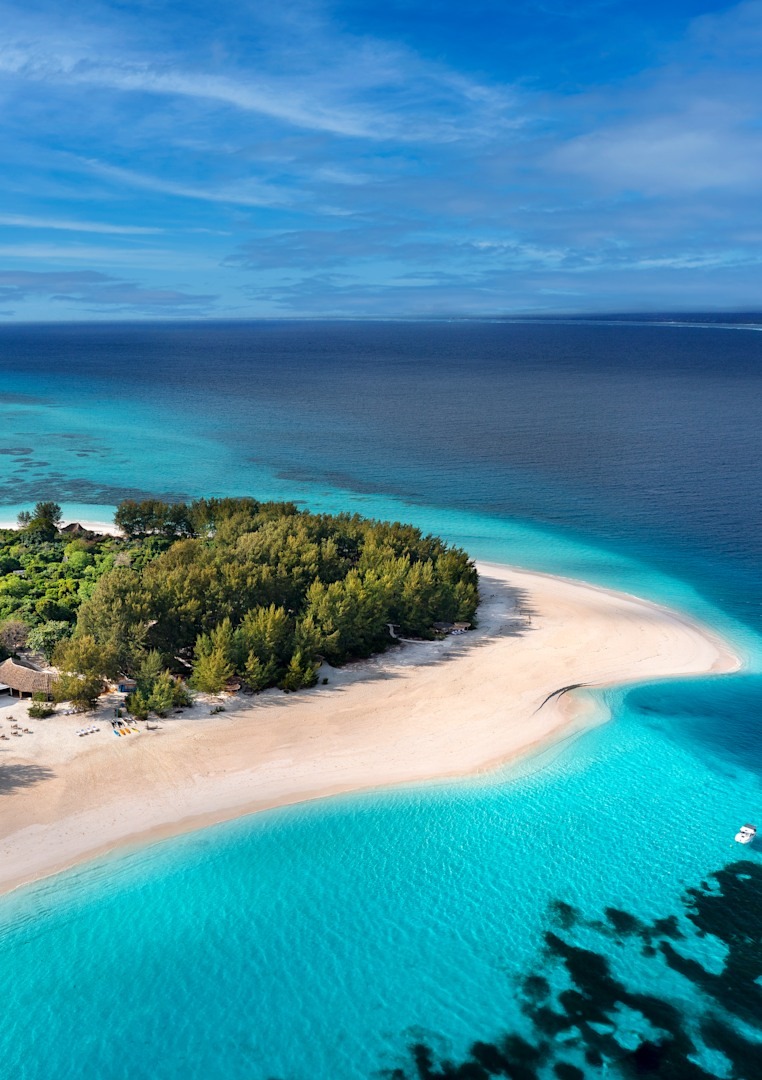
Three kilometres off the north-east coast of Zanzibar sits Mnemba — a tiny triangular coral island, 1.5 km in circumference, surrounded by a protected marine reserve. Just twelve open-air bandas under the casuarina pines, no more than 24 guests at a time, and a reef full of turtles and six hundred species of fish twenty metres from your front step.
For guests staying elsewhere on the island, Mnemba is a day snorkel excursion — boats depart from Matemwe or Kiwengwa. For those staying on Mnemba, it's the definition of barefoot luxury: no doors, no windows, no shoes, no rush.
From a 3-day fly-in from Zanzibar to the full 12-day Signature Safari & Zanzibar Escape. All packages below are bookable and operator-built.
 3 Days
Fly-In Safari
3 Days
Fly-In Safari
Zanzibar → Nyerere → Boat Safari → Zanzibar
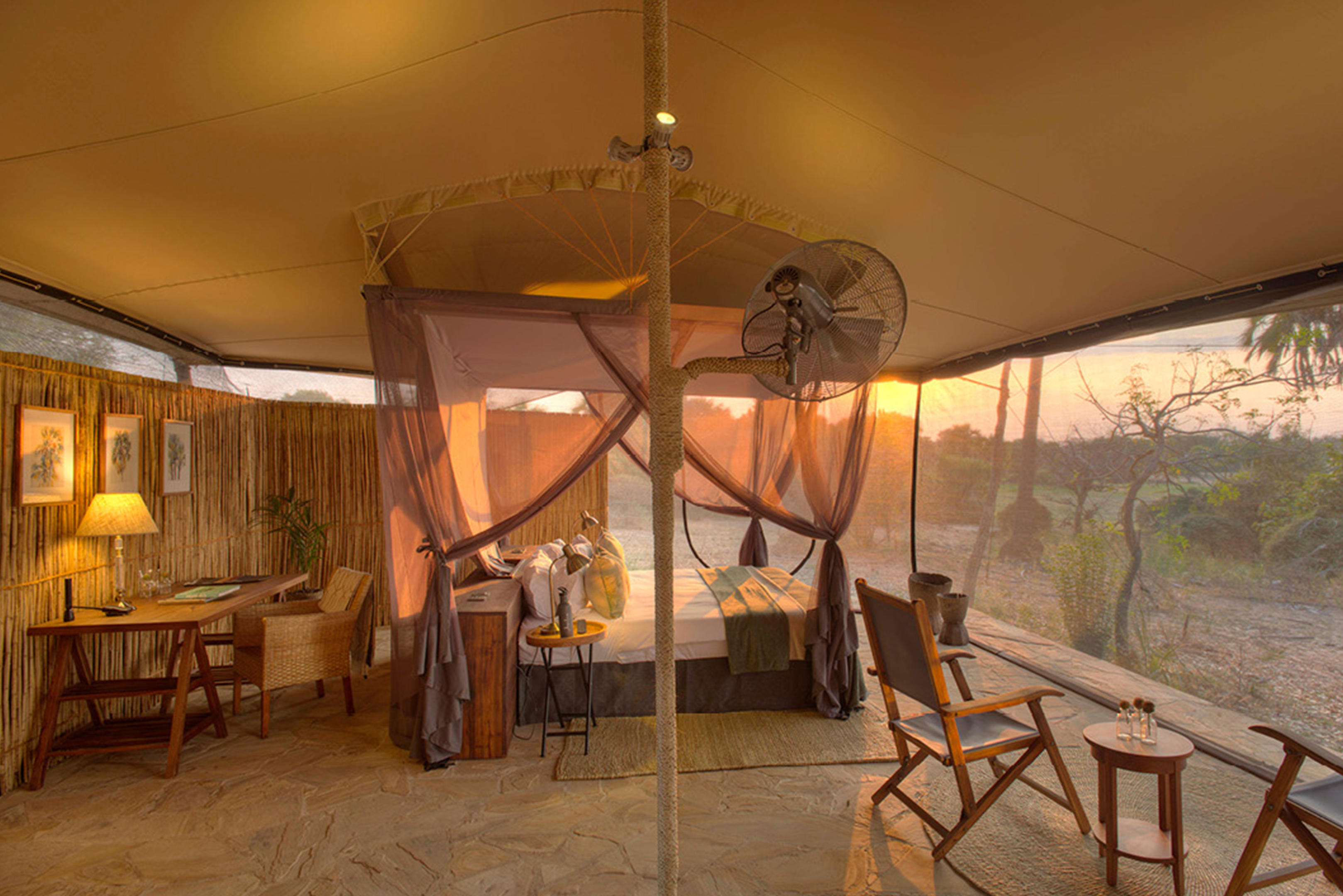
Two nights in the bush for a proper Nyerere experience — morning and afternoon game drives, a full boat safari, and walking with armed rangers in miombo woodland.
 8 Days
Signature Bush-To-Beach
8 Days
Signature Bush-To-Beach
Tarangire → Serengeti → Ngorongoro → Fly to Zanzibar
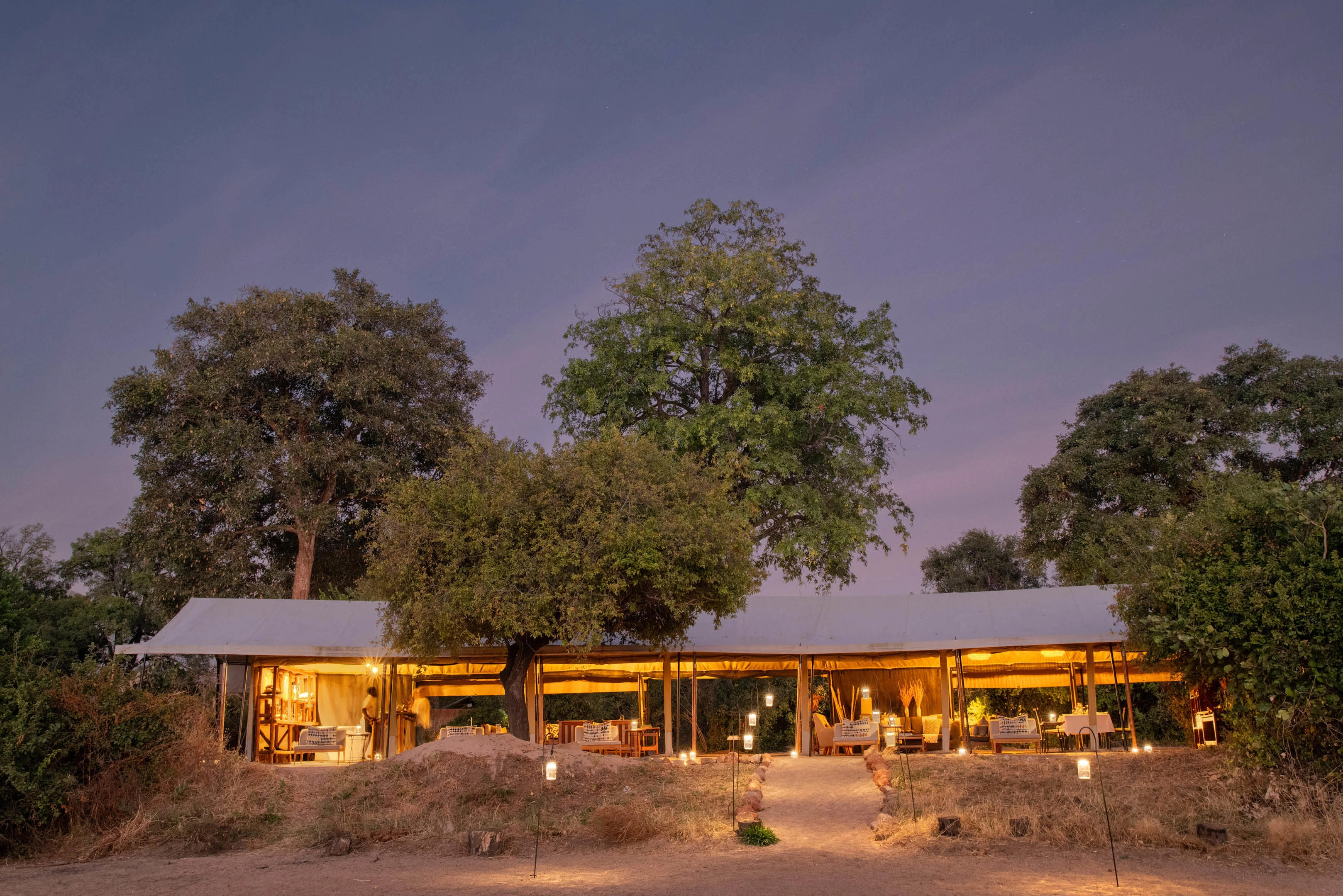
Our most-booked honeymoon & celebration route. A private mid-luxury safari ending with a seamless flight to Zanzibar's white sandy beaches.
 12 Days
Luxury Grand Tour
12 Days
Luxury Grand Tour
Tarangire → Serengeti → Ngorongoro → Zanzibar (4N)
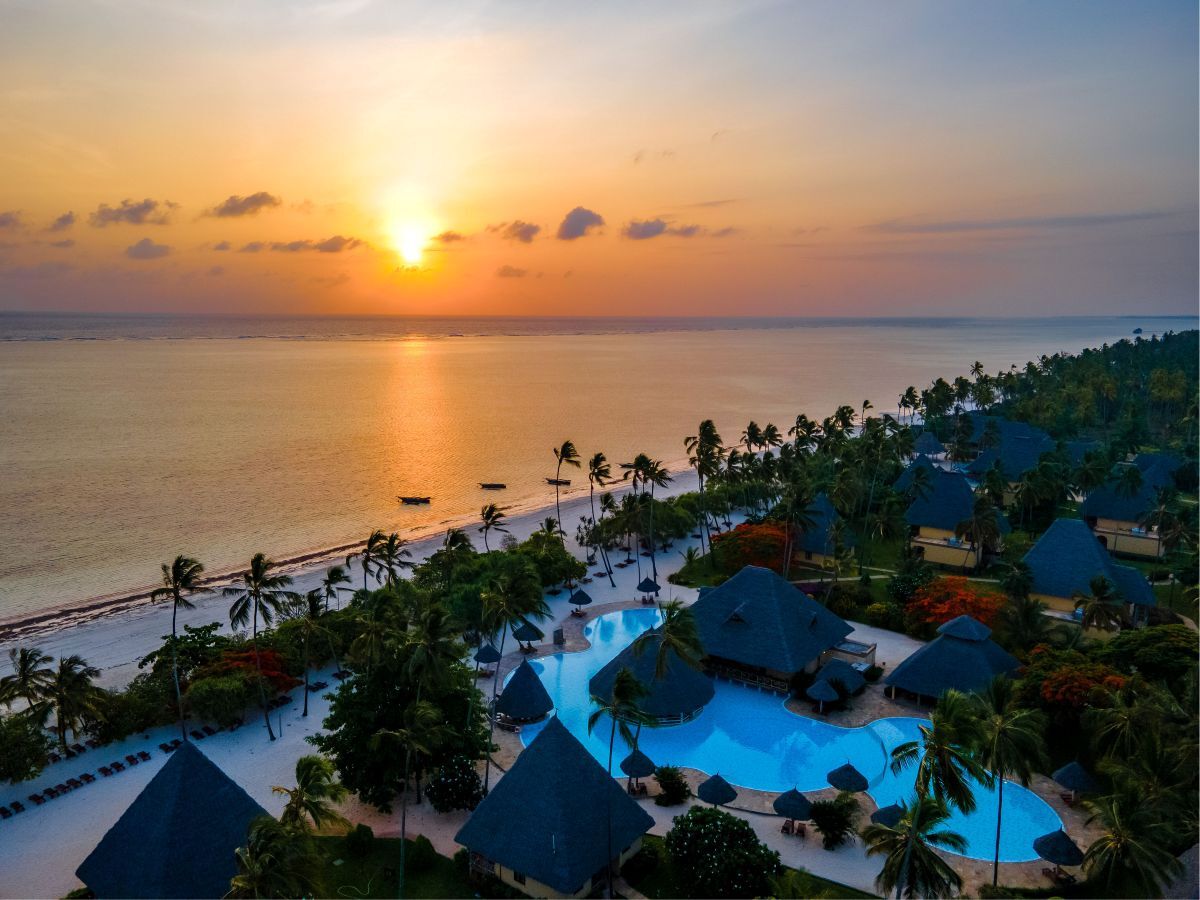
The ultimate luxury itinerary. Extended time in premium northern circuit lodges followed by a long, relaxing stay at a top Zanzibar beach resort.
Zanzibar has two dry and two wet seasons. Each has its own mood — and its own pricing.
Cooler temperatures, low humidity, clear skies. Strong kite-surf winds in Paje. The classic safari-and-beach season — book accommodation early.
Short afternoon showers for 2–3 weeks. Otherwise warm, clear, and excellent value — a sweet spot for travellers who don't mind passing clouds.
Warmest and sunniest months. December festive premium; January and February are brilliant. Kite-surf winds return to Paje.
The main rains. Many small guesthouses close; larger resorts offer significant discounts. April is the wettest — May is often a great shoulder-season bet.
Ten experiences we build into nearly every Zanzibar itinerary. Choose three or four — not all of them.
Walk through the plantations at Kidichi or Kizimbani — smelling cloves, cinnamon, nutmeg, vanilla, cardamom as your guide points them out on the trees. Tasting at the end.
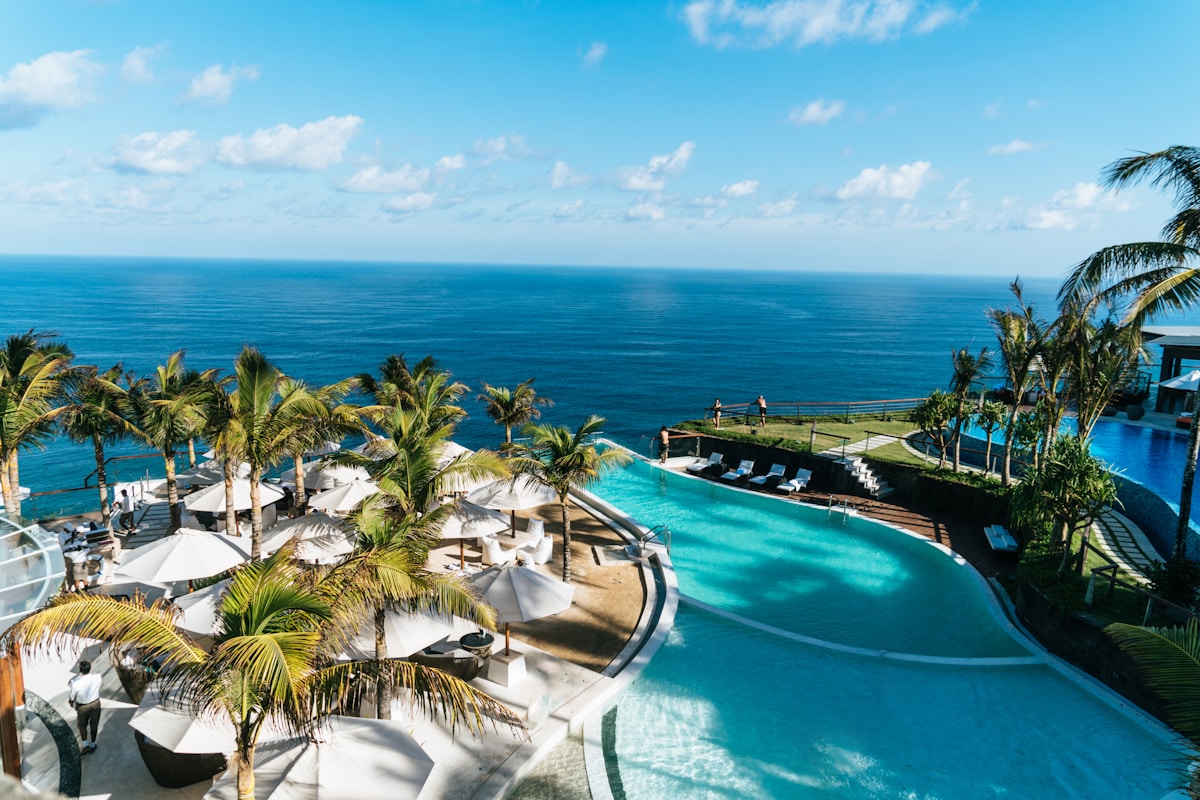
Boat departs from Matemwe or Kiwengwa, about thirty minutes to the atoll. Two snorkel drops over coral gardens and reef drop-offs. Likely dolphin encounters. Lunch on the boat or a beach picnic.

Zanzibar's only national park. A short walk through mangrove and evergreen forest to see the endemic Zanzibar red colobus monkey — curious, photogenic, and only found here.

Two-hour sail on a traditional wooden dhow off Nungwi or Stone Town — sundowners on board, the boom silhouetted against the dropping sun, a slow return as the lights come up on shore.

Three hours with a Swahili historian — the old Arab fort, House of Wonders, former slave market, Darajani spice market, Freddie Mercury's birthplace. Finish at a rooftop for a cold drink.

Early start (6am departure) from Kizimkazi on the south coast. Boat trip to the resident bottlenose and humpback dolphin pods. We work only with responsible operators who keep distance.
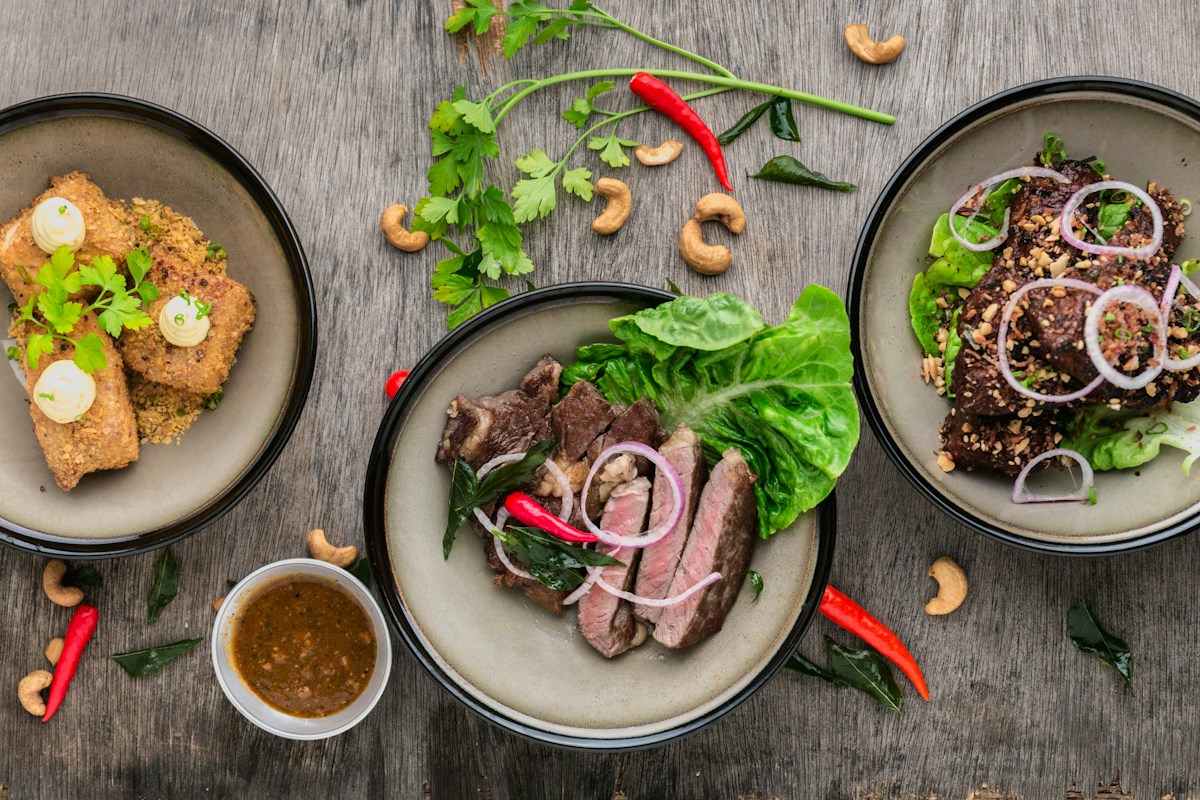
Shop for ingredients at Darajani market with a local chef, then return to a home kitchen to cook pilau, urojo soup, coconut curry, and chapati. One of our guests' favourite half-days.
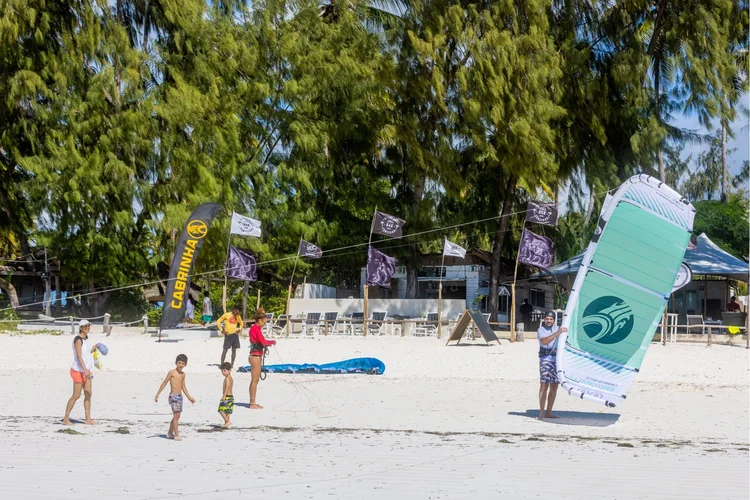
June–September and December–February deliver consistent cross-shore winds. World-class kite schools at Paje offer lessons from beginner to advanced. Bring or hire equipment.

The island's most photographed restaurant — perched on a single rock off Michamvi Beach. Walk out at low tide; swim or take the boat at high. Book weeks ahead — especially for sunset.
The quick-reference things guests want to know before they book.
What guests actually ask us before booking a Zanzibar holiday.
June to October and December to February are the dry, sunny windows — ideal for beach time. The long rains (April–May) bring dramatic skies and lower prices, though some small hotels close. The short rains in November are brief afternoon showers with otherwise clear weather — often excellent value.
Three to five nights is the sweet spot after a safari — enough to unwind, explore Stone Town, snorkel Mnemba, and not feel rushed. For a standalone Zanzibar holiday, seven to ten nights is ideal. Mnemba Island bookings should be at least three nights to make the transfer worthwhile.
Yes. Fly-in safaris from Zanzibar are one of Tanzania's smartest itineraries. Popular options include 2-day or 3-day fly-ins to Nyerere (Selous) for a river-and-woodland safari, or 3-day fly-ins to the Serengeti — with or without a Ngorongoro add-on. Flights from Zanzibar reach either park in 1–2 hours. See our packages section above.
Northern beaches (Nungwi, Kendwa) offer swimmable water at all tides and vibrant sunsets — best for first-timers who want easy sea access. East coast beaches (Paje, Bwejuu, Matemwe) are wider and more secluded, though tidal. Stone Town on the west is cultural, historic, and best paired with beach time rather than a standalone stay.
Yes. Zanzibar is a predominantly Muslim island — respectful, welcoming, and safe for tourists. Dress modestly in Stone Town and villages (shoulders and knees covered); beach resort wear is fine on the beach. Normal travel common sense applies in Stone Town at night, as in any city.
Zanzibar is a malaria zone, though risk is considered lower than mainland Tanzania. Consult your doctor for prophylaxis (Malarone, doxycycline) 4–6 weeks before travel. Yellow fever certificate required only if arriving from an endemic country. Pack mosquito repellent with DEET and consider long sleeves at dusk.
Absolutely — it's one of our signature itineraries. Fly into Nairobi, do the Masai Mara, cross overland or fly to the Serengeti, visit Ngorongoro, then fly to Zanzibar. Typically 12–14 days. Contact our planners for a custom multi-country quote.
Yes. Budget USD 5–10 per day for hotel staff (shared tip box), USD 20–30 per day for a private guide, and standard 10% at restaurants if service isn't included. Tips are appreciated in USD or Tanzanian shillings.
We include private airport transfers in every Zanzibar package — a driver will meet you at arrivals with your name on a board. Stone Town is 20 minutes from ZNZ; Nungwi and Kendwa 1.5 hours; east coast 1 hour; Mnemba involves an additional boat transfer from Matemwe.