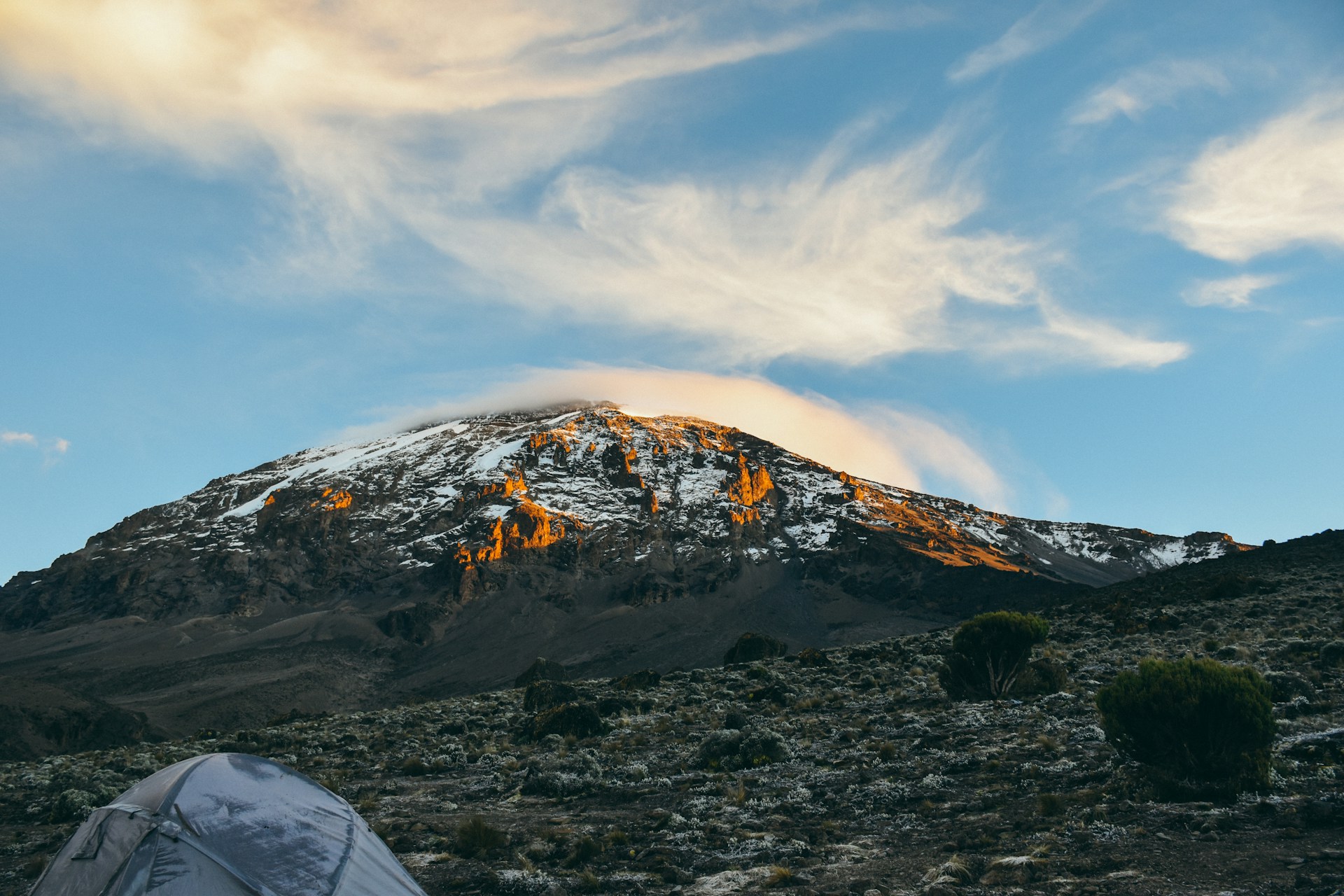
The 7-Day Rongai Route Kilimanjaro Climbing Expedition delivers a distinct logistical advantage by approaching the mountain's grand volcanic crest from the northern slopes adjacent to the Kenya border line. Because the northern aspect receives significantly less annual precipitation compared to southern tracks, the Rongai path offers a dryer, shelter-shielded option particularly during microclimate fluctuations.
Operating with a private mountain crew deployed from our primary Arusha logistics base, this configuration tracks upwards through pine forest belts before traversing behind the jagged volcanic needles of Mawenzi Peak. The 7-day pacing parameter integrates an essential stabilization night at the Mawenzi Tarn camp station, allowing your oxygen indices to adapt naturally before attempting the final high-desert alpine saddle. This program operates on a standard per person sharing twin occupancy mountain tent matrix, incorporating all baseline permits, rescue fees, and equipment logistics upfront.
Depart Arusha via private vehicle transfer, tracking around the eastern base of the mountain to the northern Nalemuru Gate near the Kenyan border. Meet your specialized mountain crew and complete official registration permits. Begin a steady, low-fatigue climb through planted pine forests and look out for blue colobus monkeys before settling into Simba Camp. [Elevation: 1,950m to 2,620m | Distance: 7 km | Tracking Time: 3-4 hours].
Ascend early out of the upper forest columns to cross wide heather fields and rolling moorland ridges. The grade steepens gently as you follow dry valley channels that provide exceptional, clear views of the Kenyan plains sprawling below. Arrive at Second Cave Camp for a hot lunch and a relaxed afternoon dedicated to systemic metabolic transition. [Elevation: 2,620m to 3,450m | Distance: 6 km | Tracking Time: 3-4 hours].
Turn away from the main tracking lanes to trend southeast across a series of striking valleys, tracking through fields of giant groundsels. This lesser-traveled segment exposes your system to moderate altitude gains while keeping muscle fatigue low. Check into Kikelewa Camp, nested below the dramatic sub-spires of Mawenzi Peak. [Elevation: 3,450m to 3,600m | Distance: 6 km | Tracking Time: 3-4 hours].
Execute a short, sharp ascent up grassy ridge slopes, crossing into the high alpine zone. The vegetation thins out rapidly as you enter the rock-strewn valleys leading directly beneath the jagged vertical towers of Mawenzi. Pitch camp at Mawenzi Tarn, positioned beside a high volcanic lake. This crucial, low-mileage segment provides an ideal active rest buffer to stabilize blood oxygen metrics. [Elevation: 3,600m to 4,330m | Distance: 5 km | Tracking Time: 3-4 hours].
Cross the massive, lunar-like alpine desert saddle that spans the barren void between Mawenzi and Kibo domes. The tracking path remains relatively flat but demands a steady, unhurried cadence as you manage the thin air. Arrive at Kibo Huts stone station by early afternoon. Consume a high-nutrition dinner, complete safety oximetry checks, and sleep early ahead of the midnight summit push. [Elevation: 4,330m to 4,700m | Distance: 8 km | Tracking Time: 5-6 hours].
Awaken at midnight to begin your push up the steep, loose-scree switchbacks under frozen arctic conditions. Walk a rhythmic pace to reach Gilman's Point on the crater rim by dawn, then continue past Stella Point to touch the true geographical crown of Africa at Uhuru Peak. Celebrate your success briefly before descending back to Kibo Huts for a hot lunch, continuing down across the Saddle to sleep at Horombo Huts. [Elevation: 4,700m to 5,895m then down to 3,720m | Distance: 16 km | Tracking Time: 11-14 hours].
Retrace your final steps down through the lower moorland heather and montane forest avenues to reach the southern Marangu Gate terminal headquarters. Sign the official register logs to collect your gold summit certificate issued by national park authorities. Bid farewell to your dedicated guide and porter crew, then board your private 4x4 cruiser for a comfortable road transfer back to Arusha city. [Elevation: 3,720m to 1,860m | Distance: 20 km | Tracking Time: 5-6 hours].
The following parameters indicate the fixed all-inclusive package costs per adult traveler calculated on a standard double occupancy shared tent configuration. Rates incorporate 100% of all mandatory national park gate entries, emergency rescue fees, crew concession taxes, mountain meals, and baseline transport logistics upfront, presented cleanly as a final total cost without hidden middleman friction.
| Season Calendar Window | Core Logistics & Security Allocations Included | Price Per Person Sharing (All-Inclusive Total) |
|---|---|---|
| Dry Peak Season Frame (Jan–Mar / June–Oct) | Private 4x4 Logistics + Emergency Oxygen Kits + Porter Assets | USD $2,380 |
| Shoulder Season Frame (November–December) | Private 4x4 Logistics + Emergency Oxygen Kits + Porter Assets | USD $2,190 |
| Low Green Season Frame (April–May) | Private 4x4 Logistics + Emergency Oxygen Kits + Porter Assets | USD $1,980 |
| Single Tent Supplement | Private Solo-Use Wilderness Tent & Single Hotel Room Add-on fees | Add USD $260 |
Clear, direct logistical guidance from our Arusha mountain team to protect your expedition expectations.
Rongai is the only route that begins on the northern, rain-shielded slope of Kilimanjaro near the Kenyan border. This path crosses open, arid valleys and provides a quiet, uncrowded trek up to the high desert saddle, allowing you to experience both aspects of the mountain before descending the southern Marangu side.
Our senior guides perform rigorous medical evaluations twice every day inside the dining tents. We track individual arterial oxygen saturation percentages using digital pulse-oximeters, register resting heart rates, and cross-reference clear milestone metrics on the Lake Louise Acute Mountain Sickness tracking index before clearing climbers for the next gate.
Z&K operates under strict ethical weight limits aligned with national park rules. Porter gear allocations are officially weighed at the entry gate scales, capped firmly at 20 kilograms per porter max. Climbers only pack a small daypack containing water bladders, base layers, personal cameras, and rain shells.
Yes, perfectly. Our high-altitude kitchen teams are trained to execute precise allergy-free menus. Whether your climbing team requires a strict celiac gluten-free diet or customized plant-based vegan alternatives, our crew cooks separate hot meals inside the camp setups daily at no added charge.
The trek into Mawenzi Tarn camp is steady and non-technical, but you will notice the thinning air as you surpass 4,000 meters. Pacing slowly is essential here. The extra night included at this scenic mountain lake station is highly effective for stabilization, helping to ensure a safe, successful summit run on Day 6.
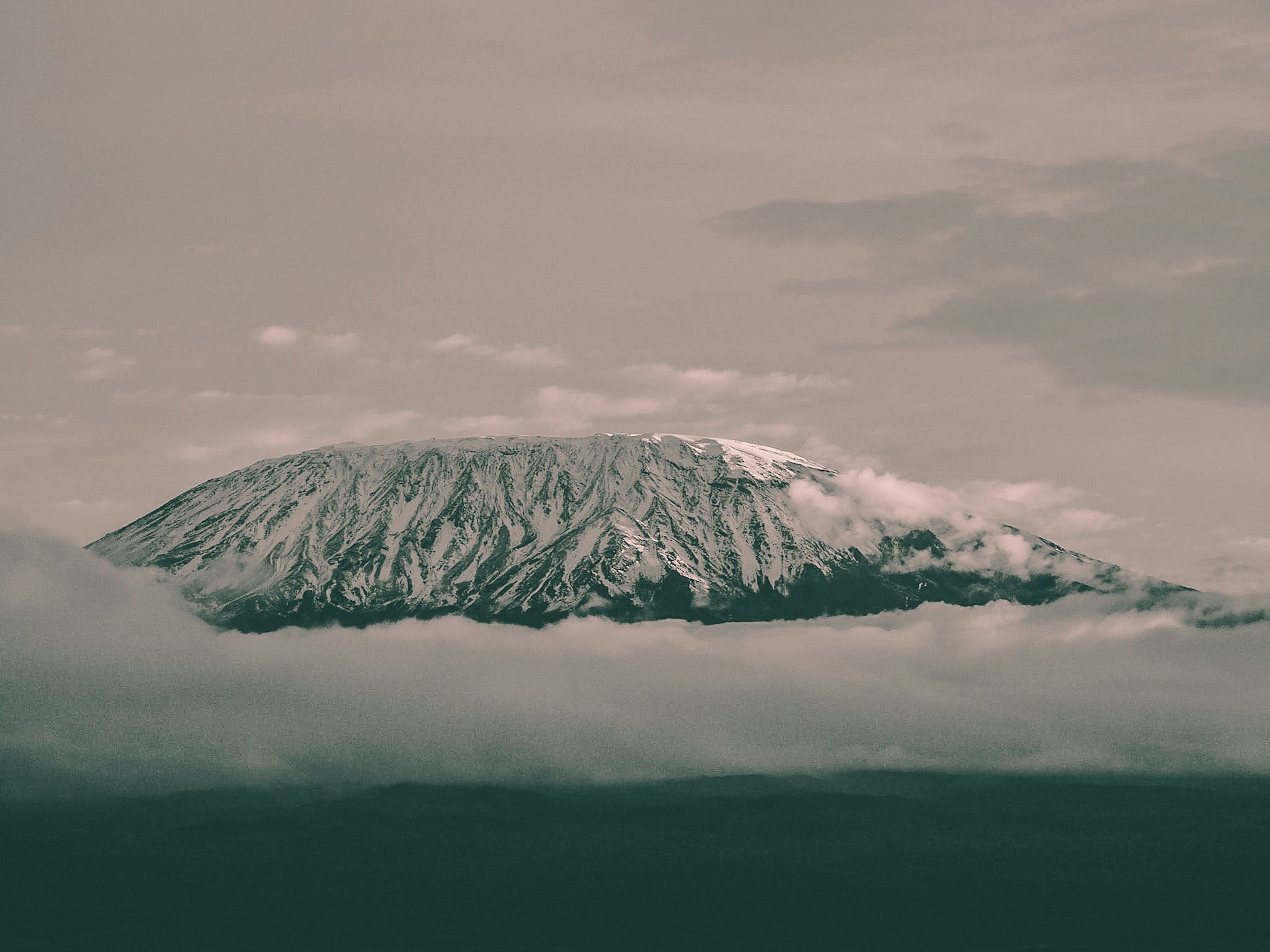 8 Days
Londorossi Gate Entrance → Shira Plateau Crossing → Barranco Wall → Summit Base
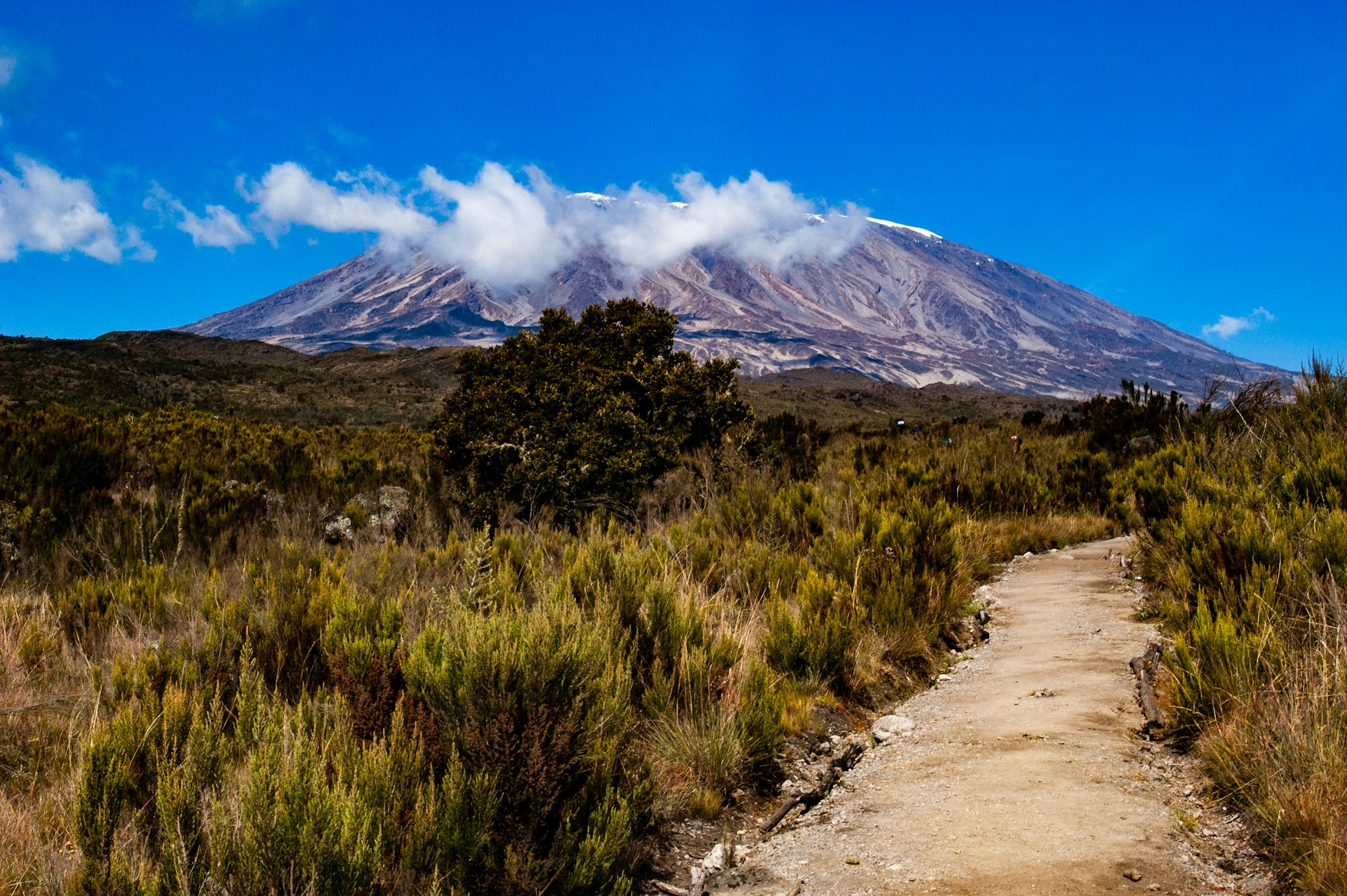 7 Days
Machame Forest Entry → Shira Plateau Traverse → Barranco Wall → Summit Base
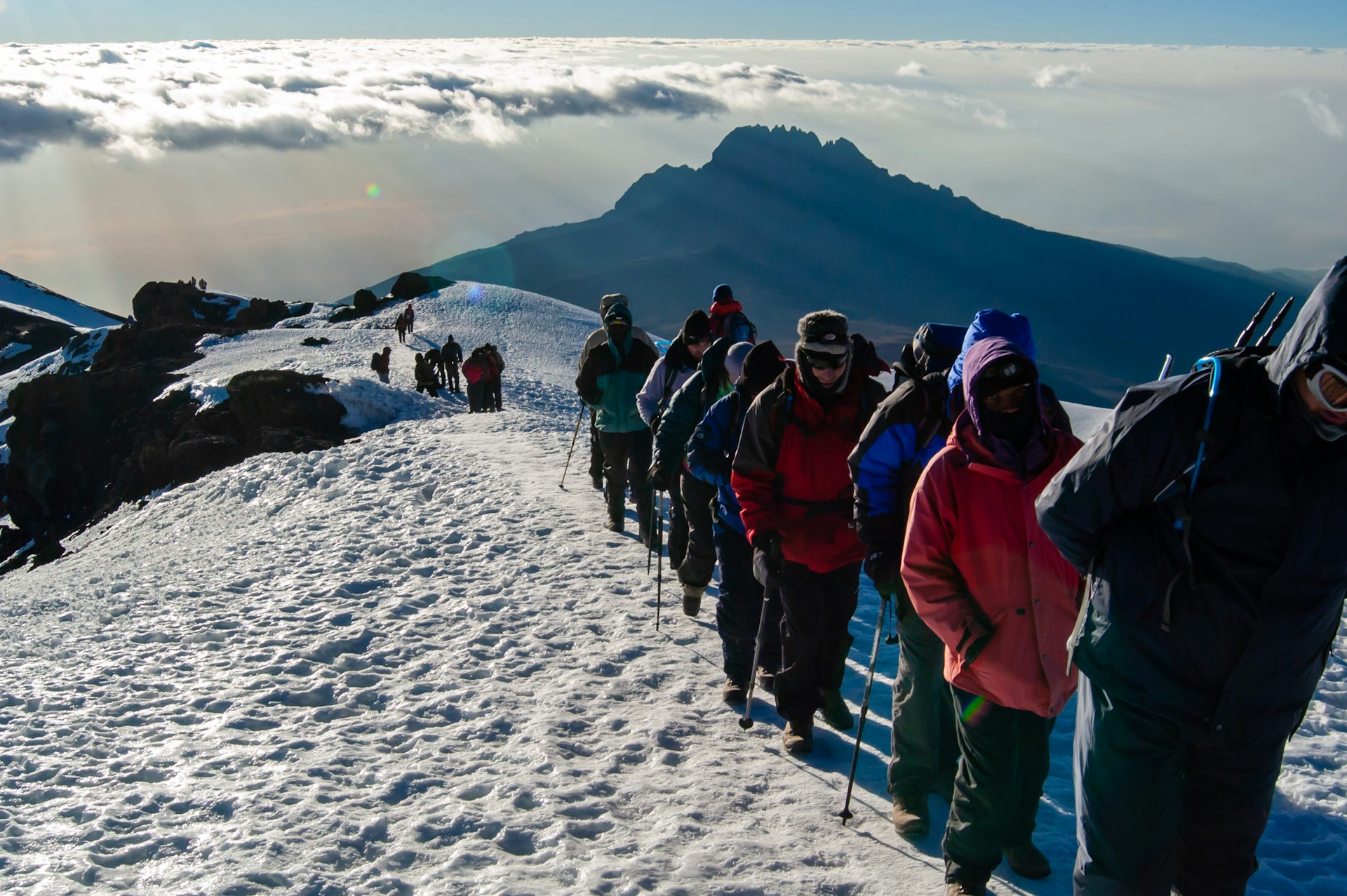 6 Days
Marangu Gate Entrance → Mandara Cabins → Horombo Village → Kibo Desert Base