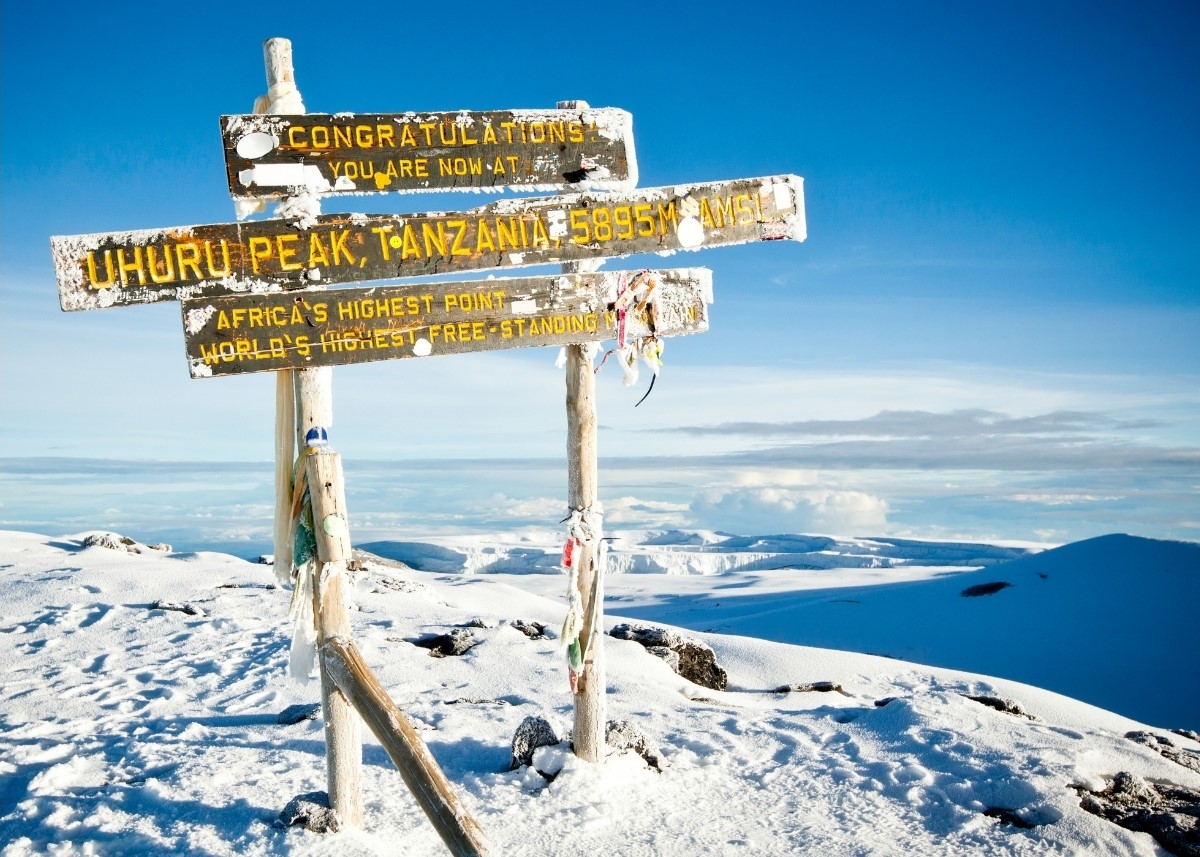
Climbing Mount Kilimanjaro is a monumental challenge for any trekker, but for senior climbers (over 50 and 60) and first-timers, the key to reaching Uhuru Peak safely doesn't lie in physical strength alone—it centers on temperature regulation, thermal efficiency, and joint protection.
As an independent Arusha-based operator running premium climbs, Z&K Tanzania Safaris focuses heavily on equipment configuration. Kilimanjaro shifts from tropical rain forests to sub-zero arctic zones within a few days. If you are cold or blistered, your summit chances plummet. Below is our definitive packing checklist optimized for maturity, safety, and ultimate physical comfort.
The Non-Negotiable Core Layering Matrix
Do not pack cotton. Cotton retains moisture and accelerates hypothermia. Your clothing layout must strictly adhere to the technical four-layer system outlined below.
| Layer Tier | Recommended Specification | Operational Function |
|---|---|---|
| 1. Base Layer (x2) | Merino wool or premium synthetic (Mid-weight) | Wicks moisture away from the skin instantly; retains body heat when damp. |
| 2. Mid Layer (x2) | Polartec fleece or lightweight down jacket | Traps warm air generated by your muscles during daytime trekking. |
| 3. Insulating Layer | Heavyweight down jacket (with deep hood, rated to -15°C) | Vital for camp evenings and the sub-zero summit night push. |
| 4. Outer Shell | Gore-Tex or equivalent waterproof, windproof jacket & trousers | Protects against biting alpine winds, rain forest downpours, and mountain snow. |
Senior Comfort Priority: Thermal Efficiency
Circulation slows naturally with maturity. Senior climbers must pay extra attention to extremity protection. We mandate heavy-duty thermal gloves paired with merino liners, plus a dedicated sleeping bag liner to boost comfort levels inside tents.
Footwear & Joint Protection: Safely Nurturing the Body
For senior trekkers, the long descents pose a higher physical risk to knees and ankles than the steady climb up. Protecting your joints requires specialized selections:
- High-Ankle Trekking Boots: Must be waterproof Gore-Tex, thoroughly broken-in months before your arrival in Arusha. Ankle support minimizes fatigue over uneven volcanic rock.
- Premium Trekking Poles: Highly recommended to reduce impact on your knees by up to 25% during the grueling downhill segments. Choose poles with reliable lever-locks over twist-locks.
- Technical Merino Socks (x4 pairs): Paired with thin liner socks to absorb friction, completely preventing friction blisters before they can manifest.
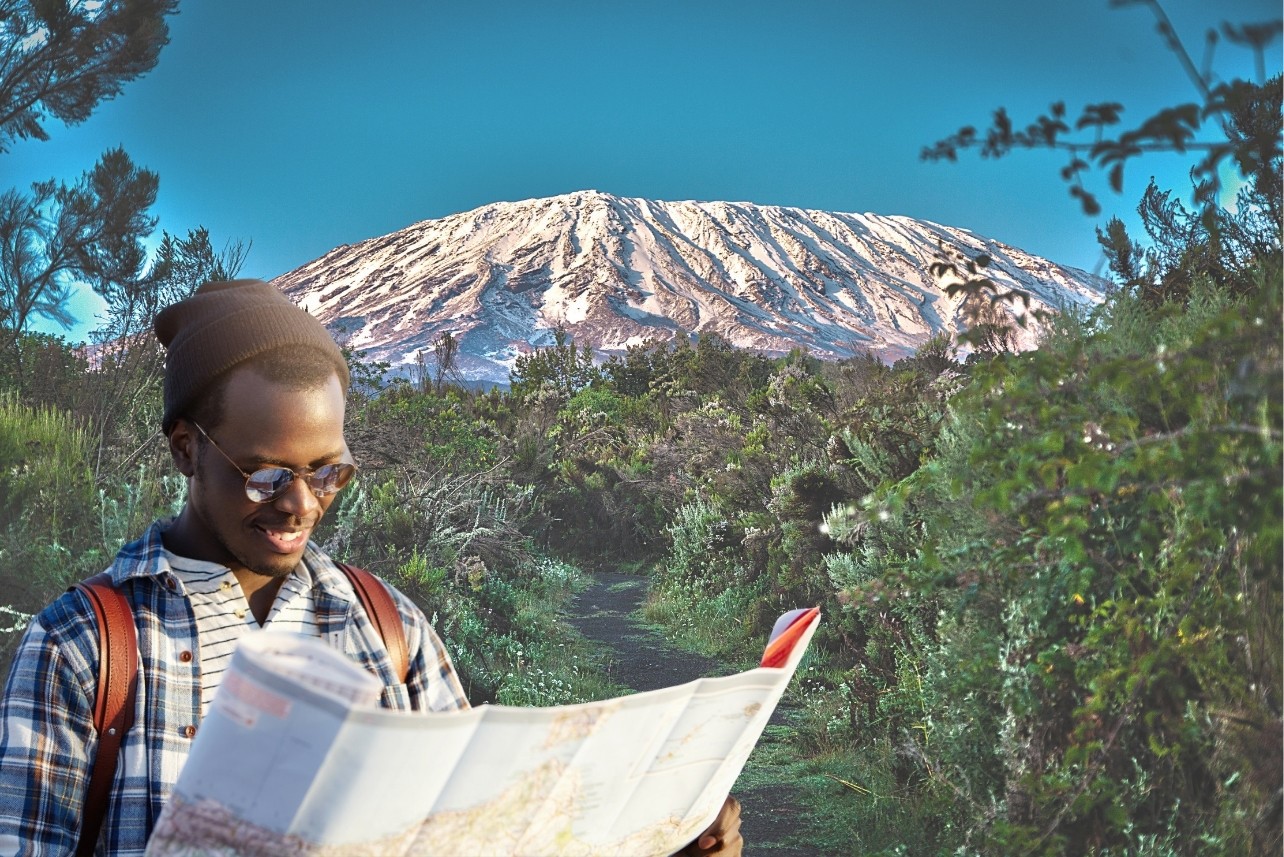
Using dual trekking poles significantly reduces joint load on alpine scree paths.
Medical, Electronics, and Hydration Logistics
At high altitude, basic operational tasks become complex. Keep these key details in mind when packing your daypack:
1. Hydration Allocation
You must consume 3 to 4 liters of water daily to support altitude acclimatization. Water bladder tubes freeze completely on summit night. You must pack at least two wide-mouth 1-liter Nalgene bottles, which can be wrapped in thermal insulated jackets to keep water liquid at the top.
2. Electronics Strategy
Extreme cold drains lithium-ion batteries rapidly. Keep your phone and camera batteries in interior zip pockets close to your core body heat. Bring a robust 20,000mAh power bank inside your daypack.
3. Specialized Personal First Aid
While our mountain guides carry medical oxygen and emergency kits, you must secure personal prescriptions, high-UV sunscreens, blister kits, rehydration salts, and joint anti-inflammatories inside your direct hand luggage.
The Z&K Quality Benchmark
If you don't own high-end technical down jackets, waterproof shells, or sleeping bags, don't worry. Z&K operates a complete, clean technical rental inventory in Arusha. We inspect every rented asset personally before departure to ensure peak performance on the slopes.